2026-10-27
Hashiri, sakari, nagori — the three faces of a season
In Japan the same ingredient is treated as three different things: the first of the year, the height of the run, and the last of it. The price changes, and so does the taste.
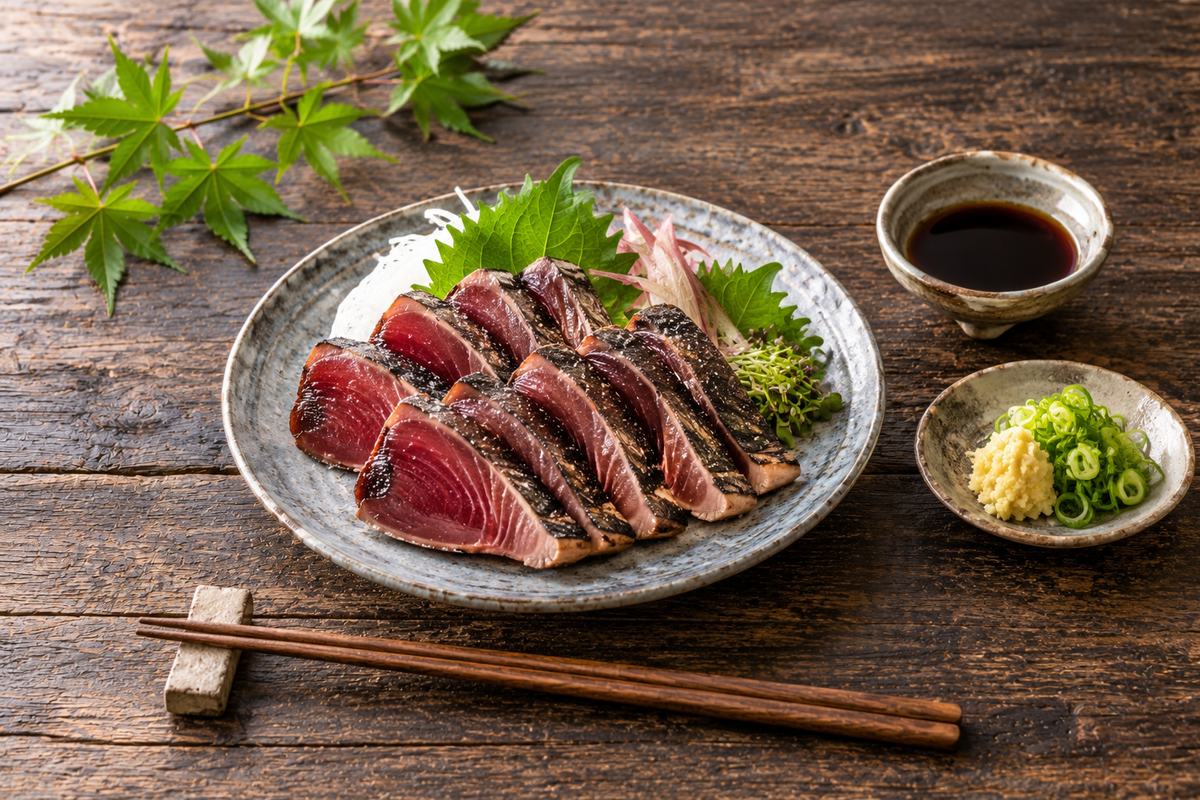
A Japanese fishmonger might tell you a fish is hashiri. A season here has never been a single point on the calendar; it has three parts.
Hashiri — the first of the year
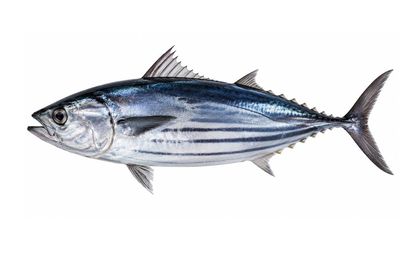
The earliest of the catch or the harvest. There is little of it, so it is expensive, and the flavour is still light. It is prized anyway, because what you are eating is the arrival of the season itself. There is an old saying about the first bonito of the year: a man would pawn his wife to afford it.
Sakari — the height of it
The weeks when the most comes in and the flavour is at its fullest. Fat and firmness peak here. The darker band on our calendar is, broadly, this period. Prices settle too, so this is when volume moves.
Nagori — the last of it
The tail end. The flesh begins to thin, though some things grow richer as the fat holds on. Chefs make a great deal of this period: it is the last dish before the season turns.
The three shift with the region
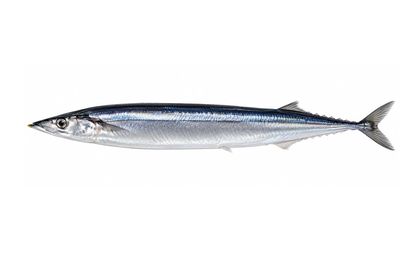
Japan is long from north to south, so the same fish can be nagori in Kyushu and hashiri in Hokkaido in the same week. This is most obvious with fish that travel, like sanma working its way south. Treat the months on our calendar as a national average.