2026-11-04
When is kanburi in season? Wild vs farmed, and judging quality
Kanburi, wild winter Japanese amberjack (buri), is at its best from December to February, when fish fattened in northern waters migrate south down the Sea of Japan to spawn and enter the set nets of Toyama Bay, Noto and Sado. This guide covers wild versus farmed, brand rules, judging quality, handling and export forms for people in the trade.
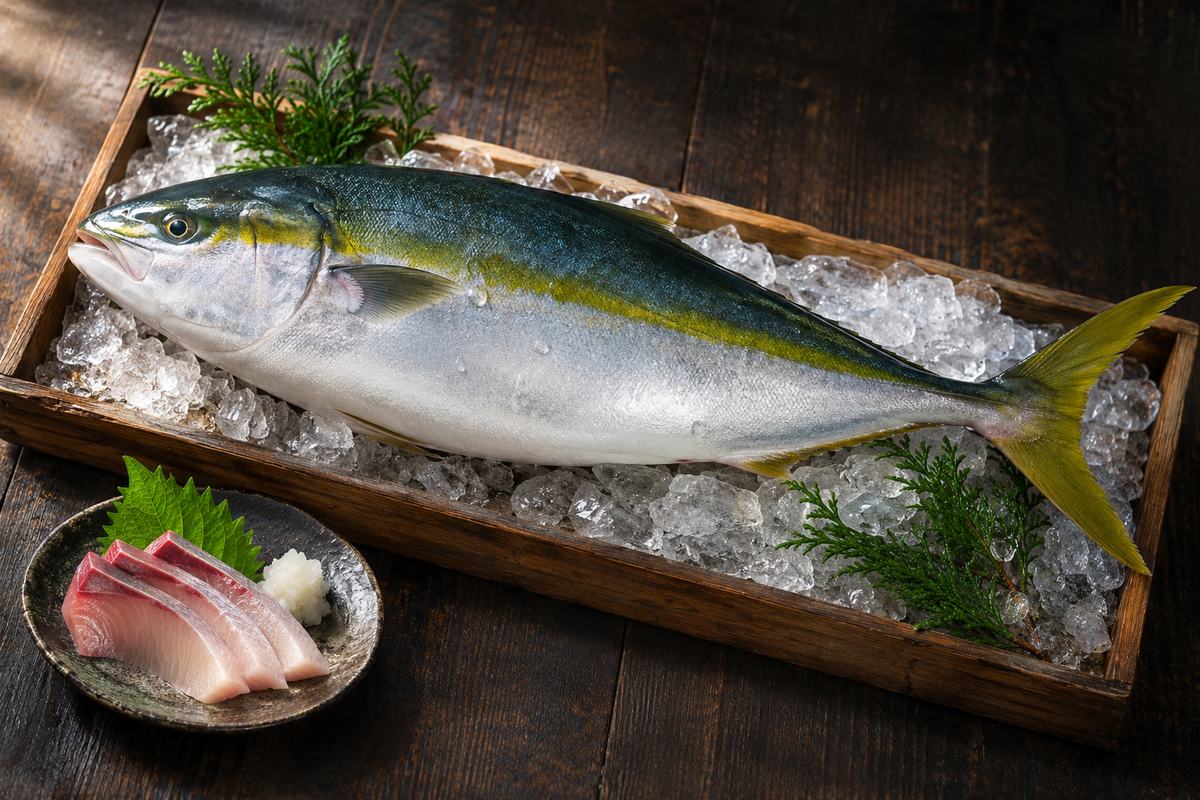
Kanburi is wild, large buri caught in the Sea of Japan in winter. This is when the fish carries the most fat and the firmest flesh of the year, and it commands a premium of its own at market. This guide is written for buyers and sellers: how the season works, wild versus farmed, brand rules, how to judge a fish, how it is handled, and the forms it is exported in.
When is kanburi in season? December to February
Kanburi peaks from December to February. Buri that have fed through summer and autumn off Hokkaido head south down the Sea of Japan to spawn, and are caught in set nets off Toyama Bay, the Noto Peninsula, Sado Island and Tango along the way. They carry the most fat just before spawning, which is why winter fish are prized above all.
According to the Hokkaido Research Organization, the fishery around Cape Esan in southern Hokkaido peaks from October to the end of the year, and fish caught there reach Hokuriku markets as kanburi a few weeks to a month later. Hokkaido's buri catch jumped in 2011 and passed 10,000 tonnes in 2013 and 2015. On the Sea of Japan side, the northern edge of the water temperatures buri prefer has moved north, and the migration south tends to come later. That is why the kanburi season in Hokuriku starts late in some years.
Wild and farmed: the supply in numbers
Japan now produces more farmed buri than it catches wild. According to the Fisheries Agency, Japan's wild buri catch in 2023 was 88,000 tonnes, while farmed production of buri and related yellowtail species was 124,000 tonnes.
- Main farming prefectures (2023): Kagoshima 41,000 t, Ehime 17,000 t, Oita 14,000 t, Miyazaki 13,000 t, Kochi 11,000 t, Nagasaki 10,000 t
- Wild: volume, size and fat vary every year with the season and the catch. The highest prices go to large winter fish
- Farmed: feed and husbandry control size and fat, so fish can be shipped to much the same spec all year. Supermarket supply and ongoing export contracts are mainly farmed
The wild stock needs watching. The Fisheries Agency's assessment puts spawning stock at its highest level since 1994, but recruitment of young fish in 2023 was the lowest since 2003. That may show up in the supply of large wild buri a few years from now.
Brand rules: the case of Himi Kanburi
Each landing area has its own brand rules. The well-known Himi Kanburi from Himi in Toyama Prefecture is limited to wild buri caught in Toyama Bay set nets and auctioned at Himi port, during the period declared by a local judging committee.
- The committee looks at the size, numbers and shape of the fish being landed, and issues the Himi Kanburi declaration when it judges that the true season has arrived. In 2024 the declaration came on 20 November
- After the declaration, every fish comes with a sales certificate and is shipped in a uniform blue box
- The weight standard has been revised over the years. Check the current year's standard before trading
- In some years not enough fish meet the standard and no declaration is made. If you take pre-orders, agree on an alternative in advance
Winter buri from Noto, Sado, Tango and elsewhere are also traded under the names of their own ports.
Size and price: bigger fish fetch more per kilo
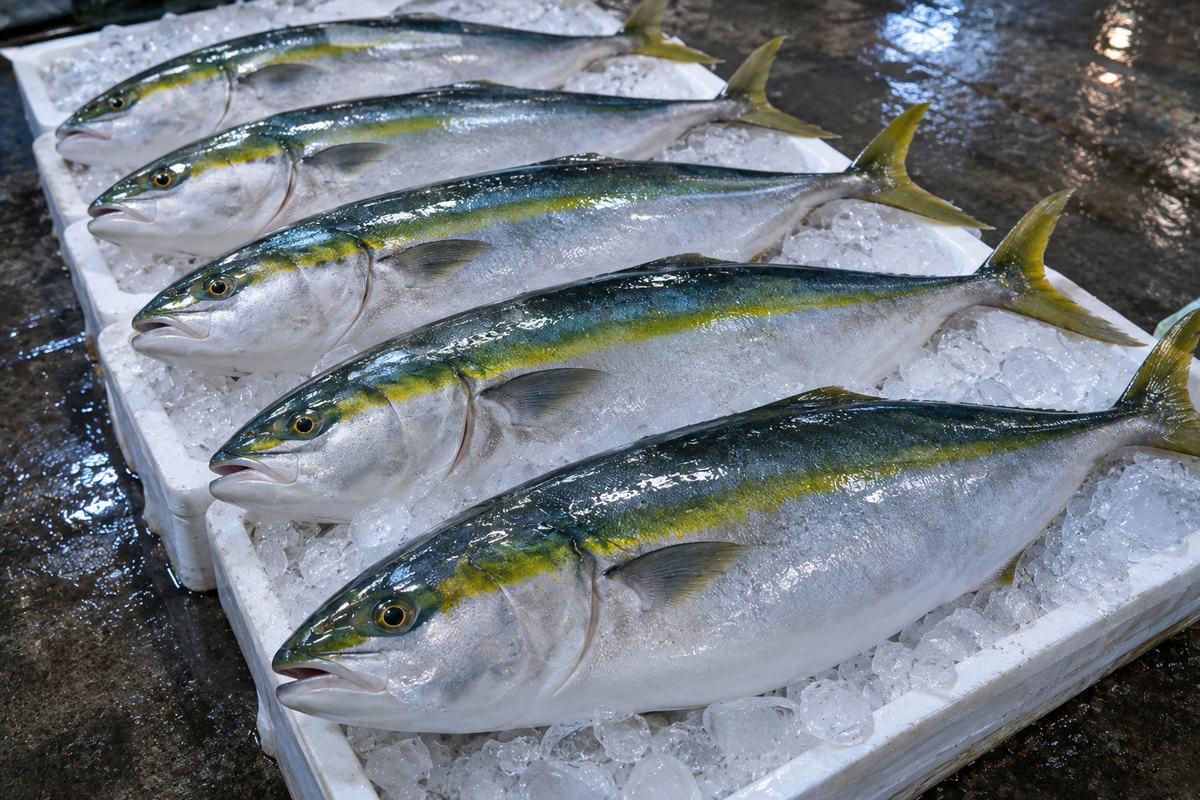
Buri are graded and traded by weight, and as a rule the larger the fish, the higher the price per kilo, because fat and thickness of flesh both increase with size. Smaller fish go by other names, such as warasa in eastern Japan and mejiro in western Japan, and are priced separately from buri.
In western Japan, buri is the traditional fish for New Year's Eve and the New Year holidays. Demand concentrates in the second half of December and prices rise. After New Year, demand settles and large, fatty fish become easier to buy.
Once you buy a whole fish, use each part for what it does best.
- Belly (harasu): the fattiest part. Sashimi and shabu-shabu
- Back: well balanced, with firm flesh. Sashimi and teriyaki
- Collar (kama): salt-grilled or teriyaki
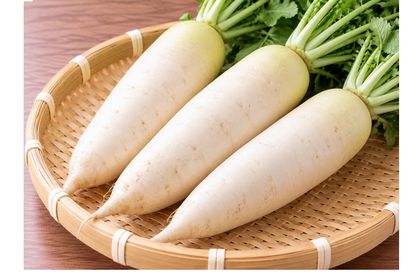
- Head and frame (ara): simmered with daikon as buri daikon. Kanburi trimmings are fatty and make a rich broth
Judging quality: whole fish and cuts
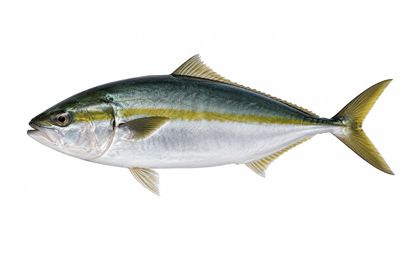
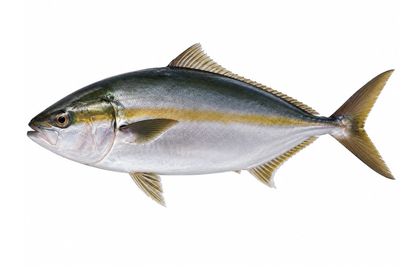
What to look for in a whole fish:
- A full, firm belly and real weight in the hand
- A deep body that makes the head look small, a sign of a well-fed fish
- Clear eyes with sharp black pupils
- Bright red gills. Brownish, dull gills mean the fish is not fresh
- Glossy skin with a clear yellow stripe along the side
What to look for in cut fish:
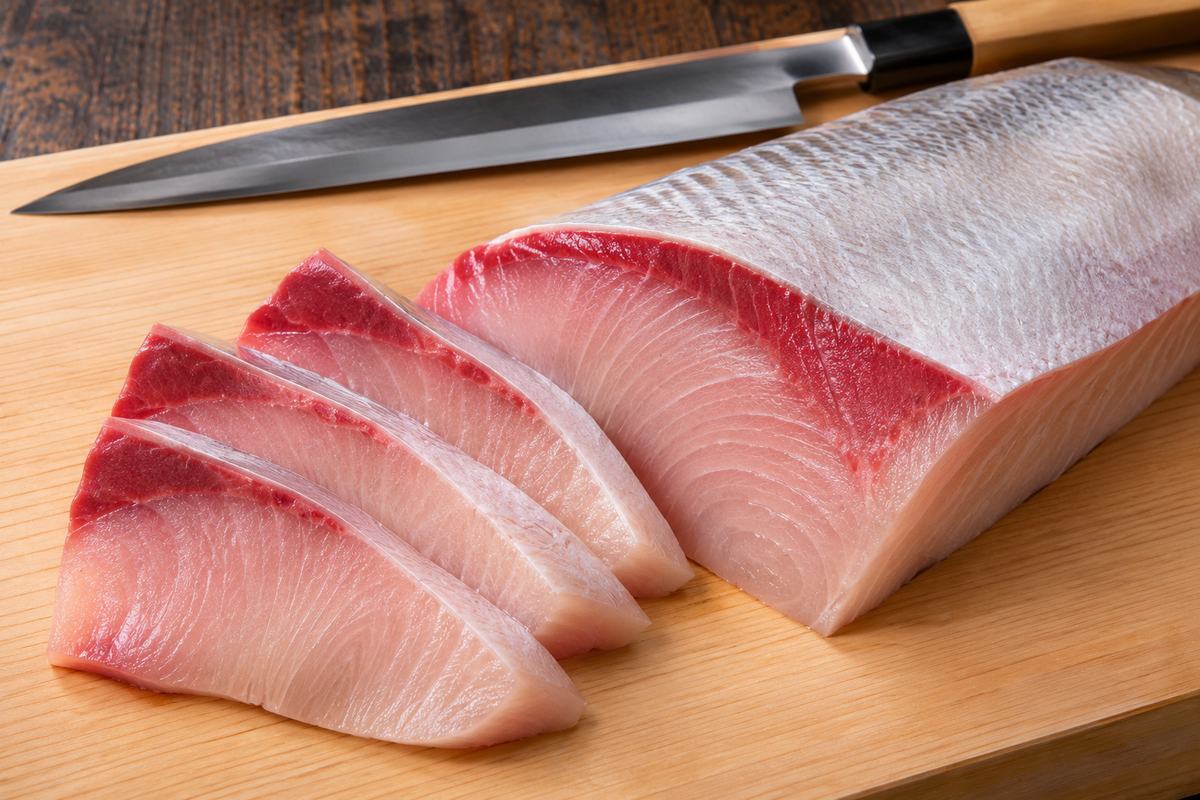
- Bright red dark meat. Buri dark meat turns brown quickly once exposed to air, so its colour is a guide to freshness and handling
- White fat running finely along the muscle lines on the belly side
- A clean cut face that is not slack, and no liquid (drip) in the tray
Wild and farmed fish also look different. In general, farmed buri have deeper, rounder bodies with fat throughout the flesh; wild fish are slimmer and more streamlined, with fat concentrated in the belly. Husbandry and individual fish vary a lot, though, so in the end rely on the origin labelling.
Handling and keeping it fresh
Set-net kanburi go straight into large amounts of ice slurry the moment they are landed, a method called oki-jime. Bringing body temperature down before the fish thrashes about stops the flesh from 'burning' and turning soft.
For sashimi or distant markets, fish may also be spiked and bled, and given shinkei-jime (destroying the spinal nerve). With no blood left in the flesh there is less fishy smell, and the dark meat keeps its colour longer. Farmed buri are normally spiked and bled at harvest.
Store at around 0°C and keep air away from the flesh. Wipe off any drip from cut fish and wrap it tightly in film. Some chefs feel large buri are better rested for a day or two after killing, so the flesh settles and the flavour develops.
Notes from the export side
Buri is Japan's second-largest seafood export after scallops. According to the Fisheries Agency, buri made up 12.5% of Japan's seafood export value in 2025, with exports to the United States growing in particular.
Exports are mainly farmed buri. Trade statistics split them into fillets (frozen, or fresh and chilled), round fish (frozen, or fresh and chilled) and live fish. Farmed fish come in consistent sizes and fat levels all year, which suits ongoing contracts.
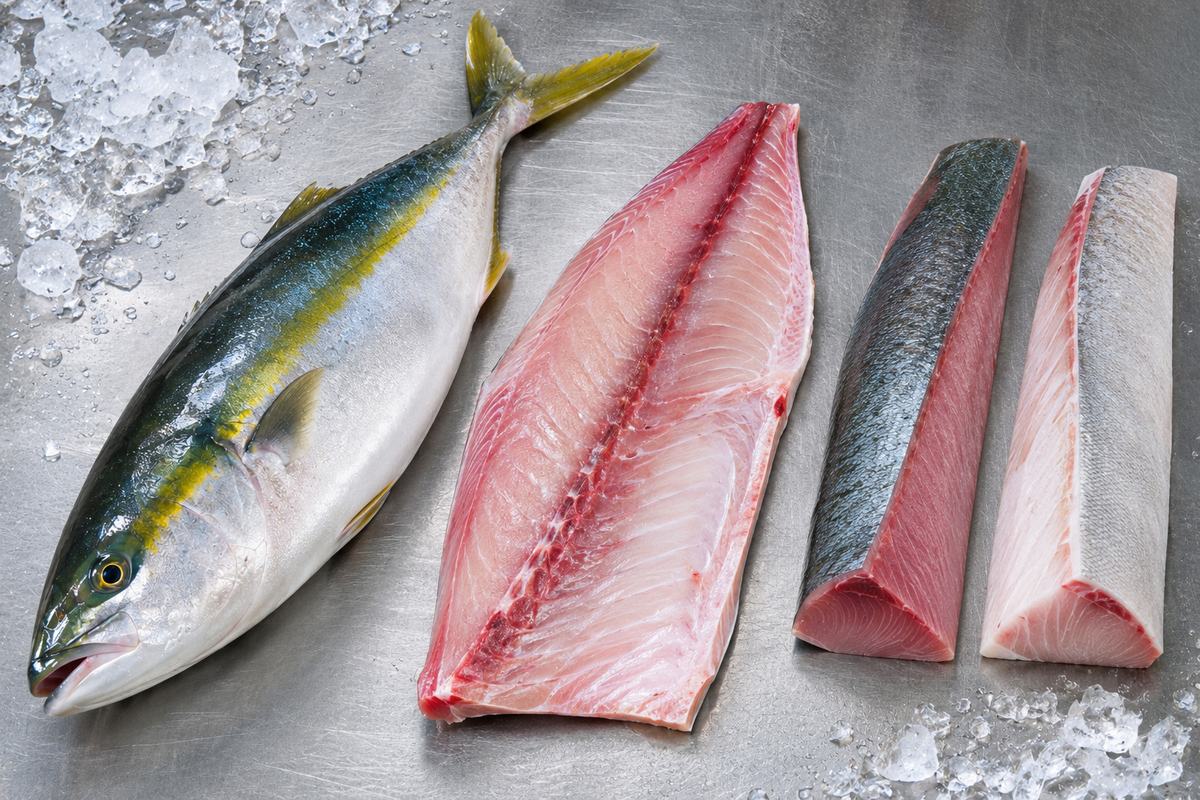
Wild kanburi, by contrast, is hard to predict in volume, size and timing, and does not suit contracts to a fixed spec. Overseas, the realistic approach is to offer it as a winter-only wild fish, on a spot basis, to high-end restaurants.
- If it is to be eaten raw, check the importing country's hygiene requirements first, such as processing in a HACCP-compliant facility
- Frozen fillets are normally quick-frozen and vacuum-packed to slow browning of the dark meat
- Overseas, buri is often sold as hamachi, a name used for young or farmed fish. What you call the product is part of how you sell it