2026-10-30
When are Japanese citrus fruits in season? From mikan in winter to summer citrus
Japanese mikan are at their best in November and December. After that come ponkan and iyokan in January and February, setoka in February and March, shiranui (dekopon), kiyomi, hassaku and buntan in March and April, amanatsu and hyuganatsu in April and May, and kawachi bankan into summer.
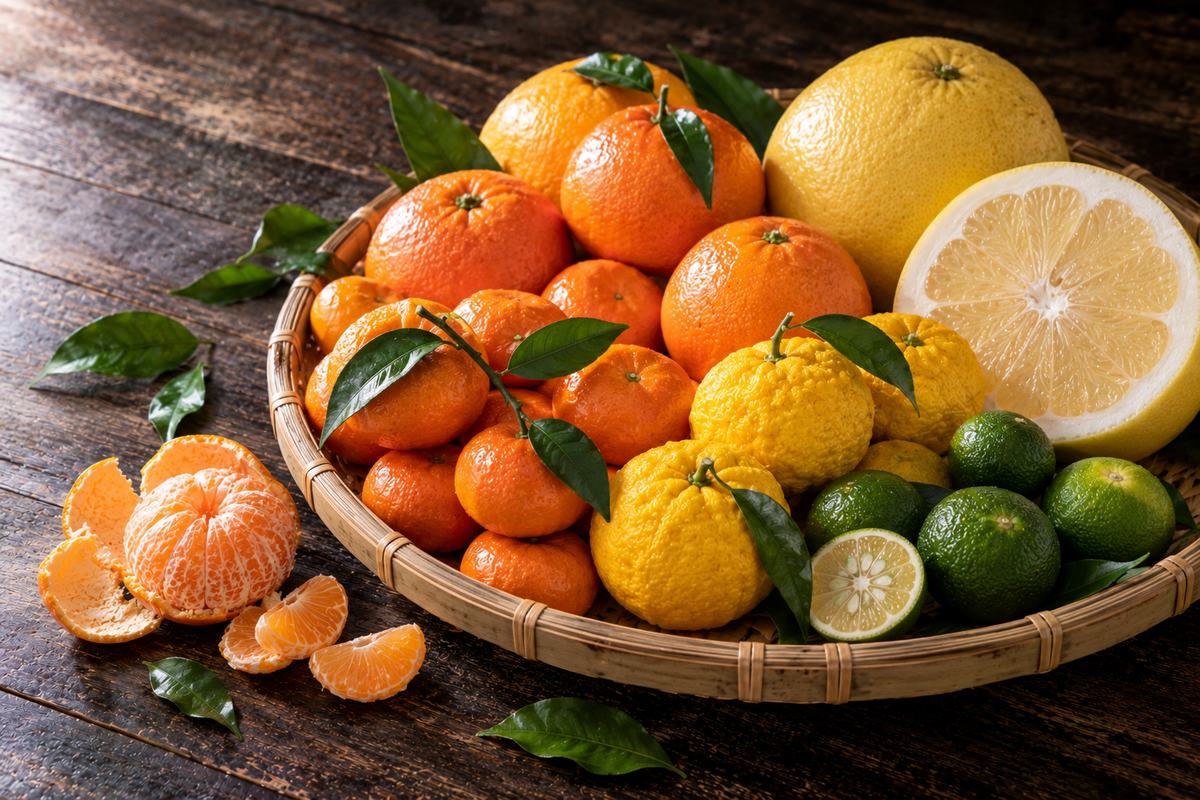
From winter to early summer, the fruit counters in Japan are never without citrus, but the varieties change month by month. This guide follows them in order, from November's mikan to summer's kawachi bankan.
When is each citrus in season? At a glance
- November to December: mikan (satsuma mandarin)
- January to February: ponkan, iyokan
- December to March: banpeiyu
- February to March: setoka
- February to April: hassaku, buntan
- March to April: shiranui (dekopon), kiyomi
- April to May: amanatsu, hyuganatsu
- April to July: kawachi bankan
- August to October: sudachi, kabosu, shikuwasa (aromatic citrus)
- November to December: yuzu; November to February: Japanese lemons
The sweet citrus season starts with winter mikan, moves to larger, more fragrant fruit in spring, and ends with refreshing, tart fruit in summer. Many Japanese citrus are stored for a while after harvest to let the acidity soften, so the time they are picked and the time they reach the shops are a little different.
November to December: mikan, the start of winter citrus
The satsuma mandarin, called mikan in Japan, is the country's most eaten citrus. Wakayama, Ehime and Shizuoka are the three main growing areas. The extra-early varieties appear from about September, followed by early varieties in October and November and mid- and late-season ones in December. The balance of sweetness and acidity is best in November and December. After New Year, stored mikan continue until February or March.
January to March: ponkan, iyokan, setoka and banpeiyu
After New Year come citrus with a stronger fragrance than mikan.
- Ponkan: very fragrant and easy to peel. Originally from India, grown in Ehime, Kagoshima and Kochi
- Iyokan: the signature citrus of Ehime. Very juicy, with a thick peel that still comes off by hand
- Setoka: so thin-skinned you can eat the segments whole. Its melting texture has earned it the nickname the toro of citrus
- Banpeiyu: a giant pomelo from Yatsushiro in Kumamoto, as big as a child's head. The thick peel is often candied
March to April: shiranui, kiyomi, hassaku and buntan
Early spring brings large, satisfying citrus.
- Shiranui: known for the bump on top. Fruit that meets sugar and quality standards is sold under the name dekopon
- Kiyomi: a cross between mikan and orange, with the aroma of orange and the juiciness of mikan
- Hassaku: first found on Innoshima island in Hiroshima. Slightly bitter, with firm, crisp flesh
- Buntan: a pomelo mainly from Kochi, with plump flesh and a clean sweetness. The peel makes a fragrant marmalade
April to July: amanatsu, hyuganatsu and kawachi bankan
As other citrus thin out, refreshing tart varieties take over from spring into summer.
- Amanatsu: grown in Kumamoto and Kagoshima. Pleasantly tart and good for marmalade
- Hyuganatsu: a Miyazaki citrus. Locals peel off only the thin yellow skin and eat the white pith with the flesh
- Kawachi bankan: from Kawachi in Kumamoto. Grapefruit-like and refreshing, one of the few citrus available into summer
Aromatic citrus: sudachi, kabosu, shikuwasa, yuzu and lemon
Some Japanese citrus are not eaten as they are but squeezed over food.
- Sudachi (Tokushima): August to October. Essential with grilled sanma and matsutake
- Kabosu (Oita): best in August and September. Larger and juicier than sudachi
- Shikuwasa (Okinawa): squeezed while green from August to October; the yellow winter fruit is juiced
- Yuzu: November to December. Floated in the bath on the winter solstice, used in ponzu for hotpot, and the zest perfumes many dishes
- Japanese lemons: mainly from Hiroshima and Ehime, best from November to February. Many are grown so the peel can be used
How to choose and store citrus
- Choose fruit with firm, glossy skin that feels heavy. Light fruit has lost moisture
- A small stem end with some green left is a good sign. A dry brown stem means the fruit is not fresh
- For mikan, flatter fruit with fine pores on the skin tends to be sweeter
- If you buy a box, open it straight away and remove any damaged fruit. The bottom layer gets crushed, so swap top and bottom now and then
- Eat thin-skinned setoka and mikan soon. Thick-skinned hassaku, buntan and banpeiyu keep well somewhere cool and airy
Notes from the export side
Across Asia, citrus is a lucky fruit. The Lunar New Year gift season falls right at the peak of ponkan and iyokan, which puts Japanese citrus in the spotlight. Not every variety travels equally well, though. Thin-skinned setoka and mikan bruise easily and need careful packing, while thick-skinned hassaku and buntan keep well on long journeys. Citrus is also strictly controlled for plant pests and diseases, and each country sets its own conditions on which varieties and growing areas it accepts. Check the importing country's rules for each variety before planning a shipment.
Ingredients mentioned here
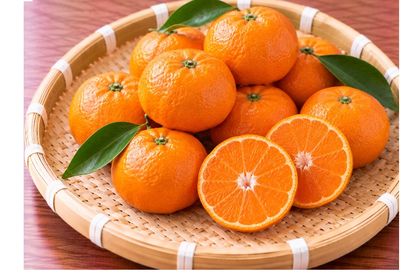 Satsuma mandarinNov–Jan
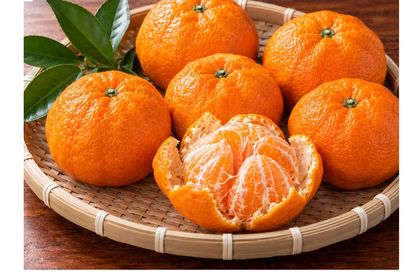 Ponkan mandarinJan–Feb
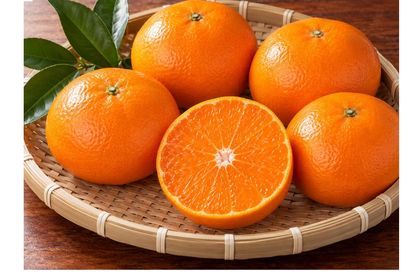 SetokaFeb–Mar
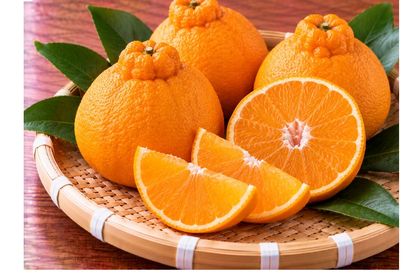 DekoponMar–Apr
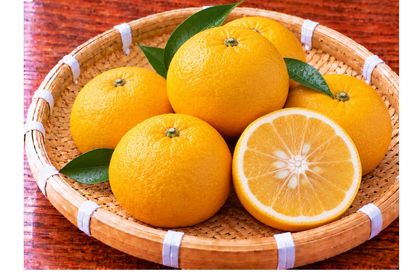 Hassaku orangeFeb–Apr
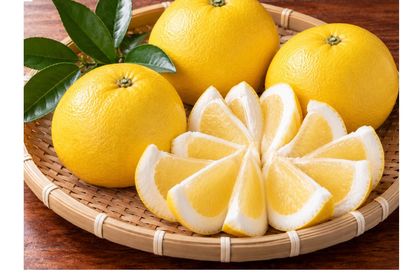 HyuganatsuApr–May
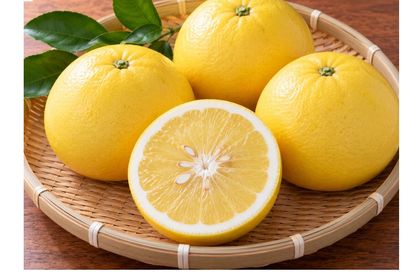 Kawachi bankanApr–Jul
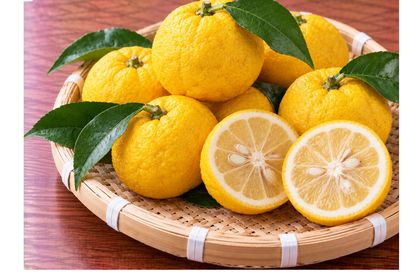 YuzuNov–Dec