2026-11-09
What Is Shun? Meaning, Origin, and Japanese Seasonal Foods by Season
Shun is the time of year when an ingredient tastes best and is most plentiful. Here is where the word comes from, why Japan cares so much about it, the classic foods of each season, and why choosing food in season pays off.
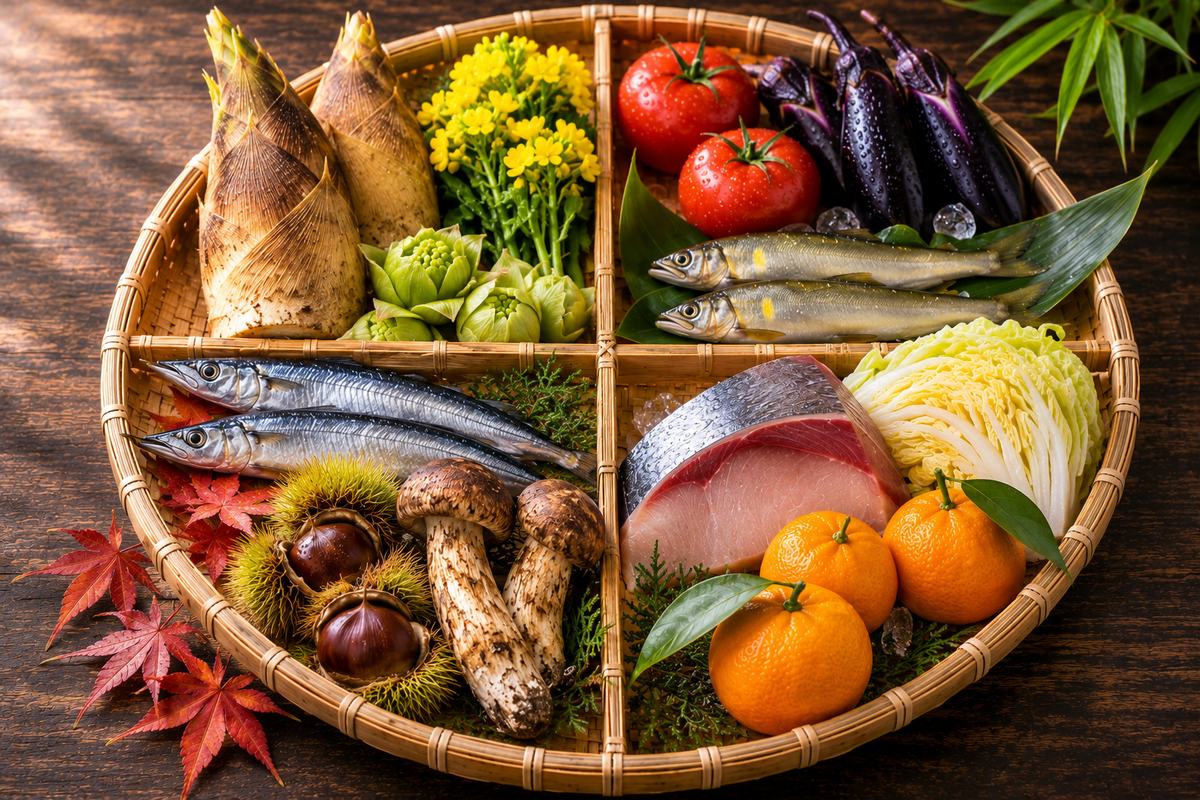
Shun (旬) is the Japanese word for the time of year when an ingredient is at its best: when it tastes best, is caught or harvested in the largest amounts, and costs the least. Fish put on fat, vegetables become sweeter and more fragrant, and fruit ripens to its fullest flavour. Japanese home cooking and the menus of Japanese restaurants have long been built around shun.
What is shun? When flavour, supply and price line up
Three things come together in shun: the ingredient tastes its best, it is widely available, and its price drops. When something is harvested in large amounts, it is usually in its best condition, and because the market is full of it, prices settle.
Today, greenhouses, aquaculture, freezing and cold storage make many foods available all year. Even so, the time when field-grown vegetables and wild fish are at their best has not changed. Washokuzai Calendar shows this in two levels: 'in season' (shun) and 'available' (on the market).
Where the word comes from
The character 旬 originally means a period of ten days. Japanese still divides each month into three such periods: early, middle and late (jōjun, chūjun, gejun).
In the Heian period (794–1185), the imperial court held a ceremony called shun, in which the emperor attended to state affairs on set days each month and held a banquet for his officials. Seasonal foods were served at these banquets, and a widely told explanation is that this is how shun came to mean 'the food that best suits the time of year'.
Why Japan values shun
Japan stretches about 3,000 km from north to south, from cold northern regions to the subtropics. Its four seasons are distinct, and with each one, what comes from the mountains, fields and sea changes.
The sea is the same. The warm Kuroshio current flows up from the south and the cold Oyashio current comes down from the north, and where they meet are some of the richest fishing grounds in the world. Migratory fish such as Pacific saury (sanma) and skipjack tuna (katsuo) ride these currents past Japan at clearly defined times and places.
As a result, all through the year, one ingredient after another has its 'only now' moment. Enjoying that progression became a foundation of Japanese food culture.
Three faces of shun: hashiri, sakari and nagori
In Japan, shun is often divided into three stages.
- Hashiri: the first arrivals. Scarce and expensive, but prized as a first taste of the new season
- Sakari: the peak. Best flavour, largest supply, most reasonable price
- Nagori: the last of the season, enjoyed with a touch of regret as the season passes
Skipjack tuna is a good example. Hatsu-gatsuo, the 'first bonito' that swims north on the Kuroshio in spring and early summer, is lean and fresh; modori-gatsuo, the 'returning bonito' that swims south in autumn, is rich with fat. In the Edo period, a famous haiku listed green leaves, the mountain cuckoo and the first bonito as the joys of early summer, and eating the first catch of the season was considered stylish. Our column 'Hashiri, Sakari, Nagori: The Three Faces of Shun' explains this in more detail.
Seasonal Japanese foods, season by season
Here are some typical examples from the items in Washokuzai Calendar.
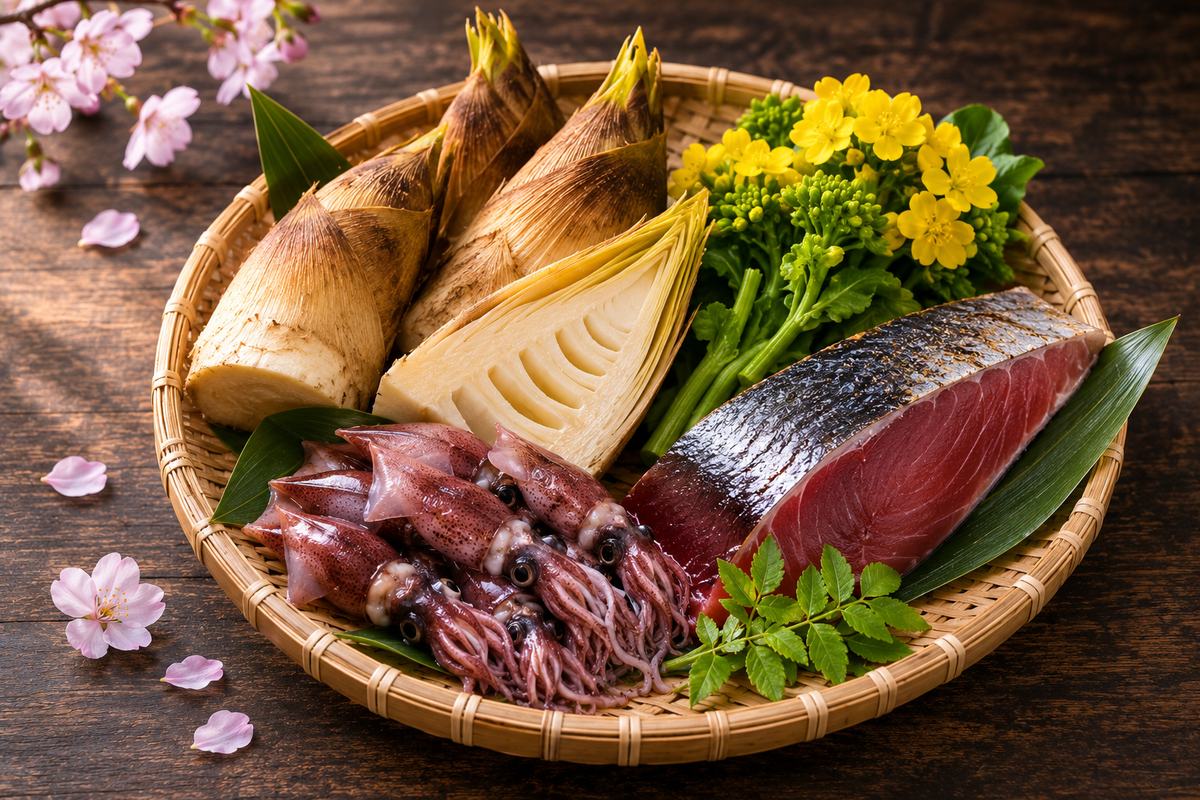
Spring (March to May) is the season of new shoots after winter. Bamboo shoots, nanohana (rapeseed greens) and fukinotō (butterbur buds) bring a pleasant bitterness. From the sea come firefly squid (hotaru-ika), hard clams (hamaguri) and the first bonito. Strawberries, in season since winter, continue into spring.
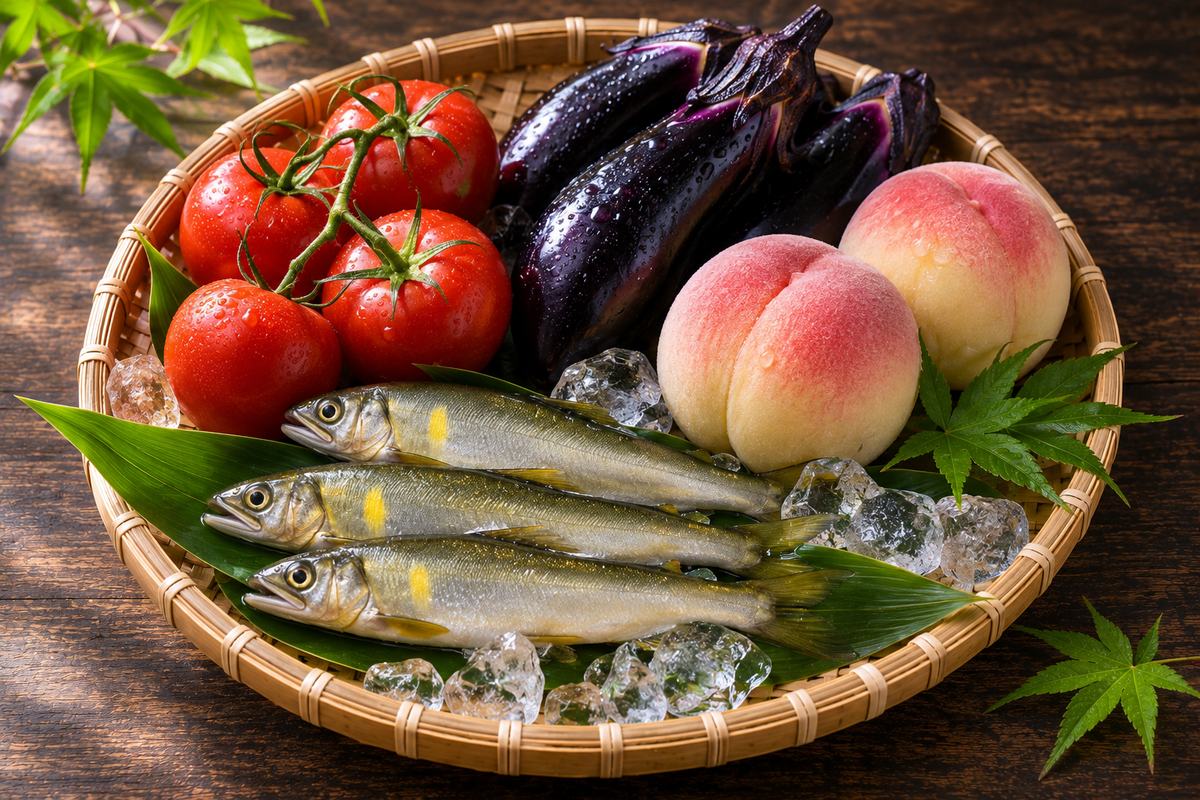
Summer (June to August) is the season of sun-ripened vegetables such as tomatoes, cucumbers, aubergines and sweet corn. Ayu (sweetfish) from the rivers and, in the Kansai region, hamo (pike conger) are the tastes of summer. Fruit includes peaches, watermelons and grapes such as Delaware.
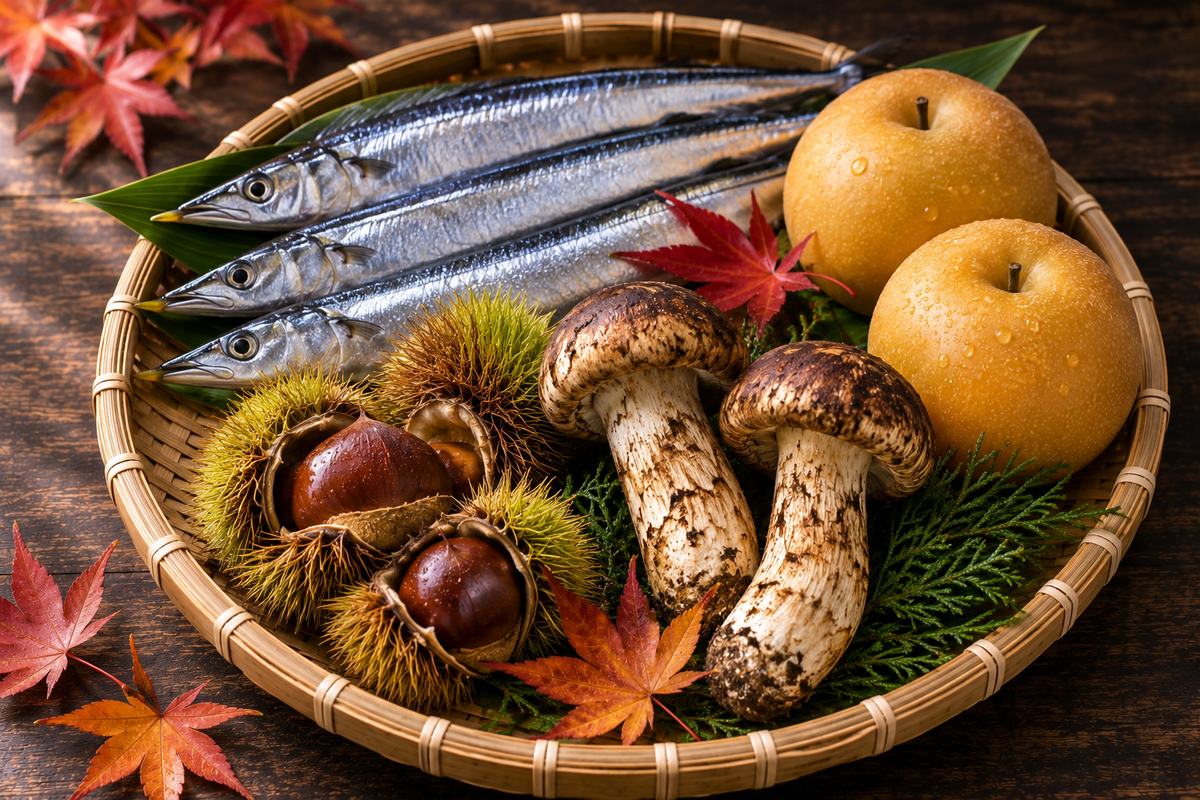
Autumn (September to November) is the harvest season. Pacific saury, salmon and returning bonito are full of fat; matsutake mushrooms and chestnuts come from the mountains, and sweet potatoes from the fields. Fruit moves from nashi pears to persimmons and apples.
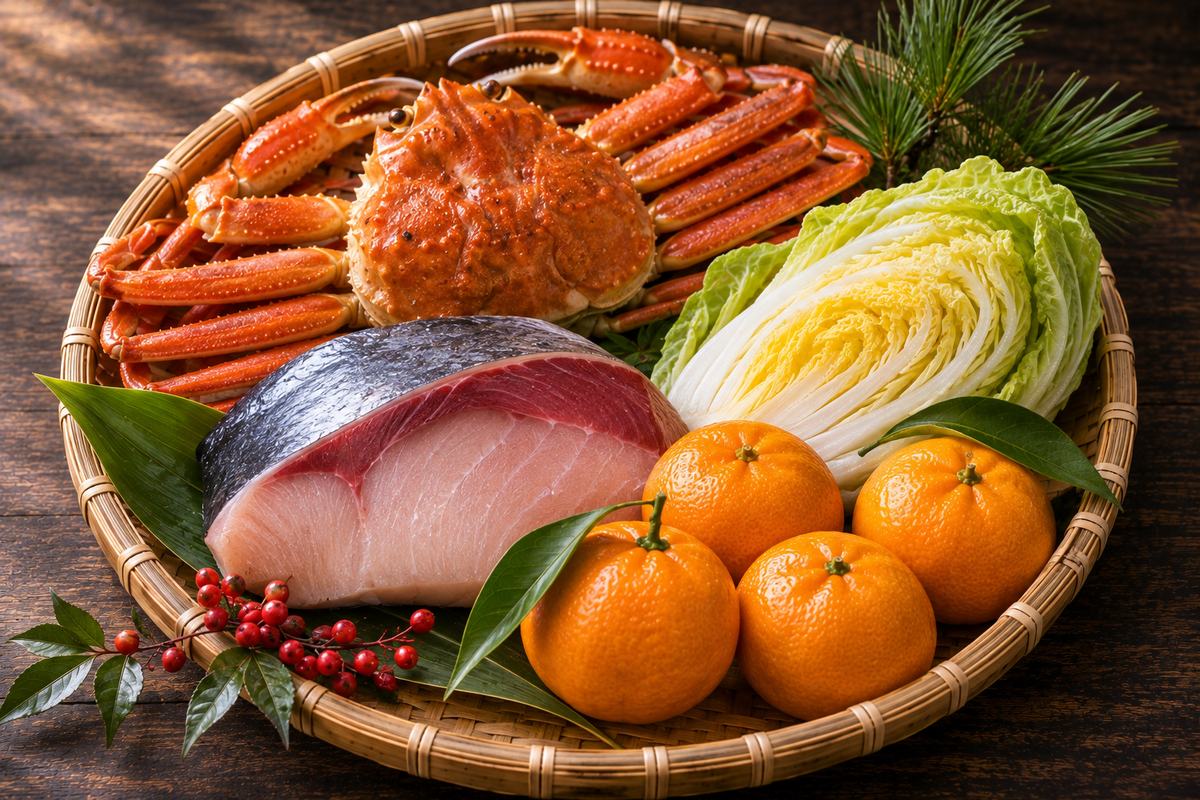
Winter (December to February) is the season of fish that fatten in the cold: winter yellowtail (kan-buri), snow crab, Pacific oysters and anglerfish. Napa cabbage, daikon and spinach grow sweeter in the cold, which is why Japanese hot pots (nabe) taste best now. Mikan mandarins are the star fruit.
Why choose food in season: flavour, price and nutrition
The first reason is flavour. Fish full of fat and vegetables at their sweetest taste good with very little done to them.
The second is price. When supply is large, prices settle, so the same budget buys better quality.
Nutrition can differ too. According to Japan's Standard Tables of Food Composition (2020 edition), spinach harvested in summer contains 20 mg of vitamin C per 100 g, while spinach harvested in winter, its season, contains 60 mg, about three times as much.
Washoku and shun: putting the season on the plate
In 2013, 'Washoku, traditional dietary cultures of the Japanese' was added to UNESCO's list of Intangible Cultural Heritage. One of the features it highlights is the way washoku expresses the beauty of nature and the changing seasons.
Washoku shows the season not only through seasonal ingredients but also through tableware, arrangement and garnishes: autumn leaves in autumn, green bamboo leaves or ice in summer. This is also why the menus of Japanese restaurants change every month.
Shun shifts by region: how to read the calendar
Because Japan is so long from north to south, the same ingredient comes into season at different times in different regions. Many start in the southern growing areas and move north as the season advances, which means one ingredient can be enjoyed for a long time.
Washokuzai Calendar lists when 250 Japanese seafoods, vegetables and fruits are in season and when they are available, month by month. Each item has its own page with tips on choosing and storing, the main growing regions, and ways to cook it. Use it to find what is in season this month, or to plan next month's menu or purchasing.
Ingredients mentioned here
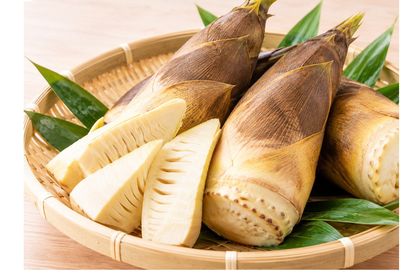 Bamboo shootMar–May
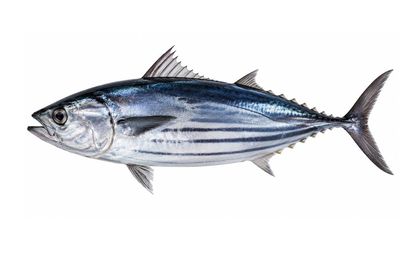 Skipjack tunaMay, Sep–Oct
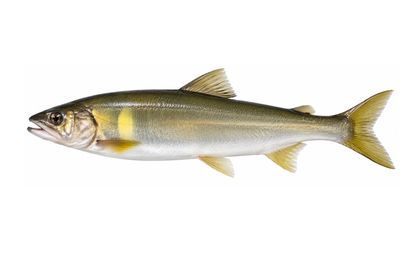 SweetfishJun–Aug
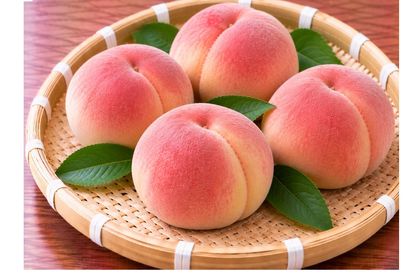 PeachJul–Aug
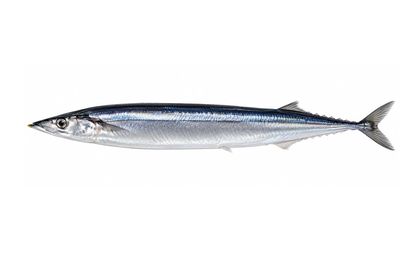 Pacific saurySep–Oct
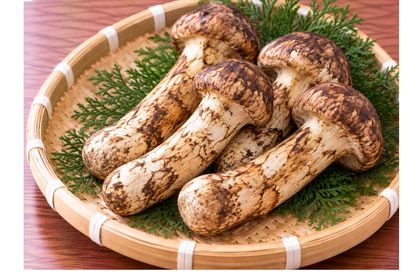 Matsutake mushroomSep–Oct
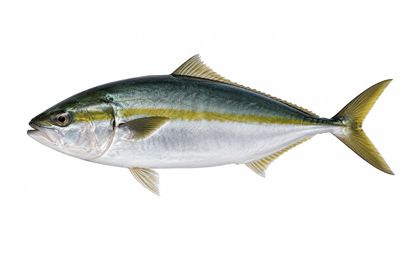 Japanese amberjackDec–Feb
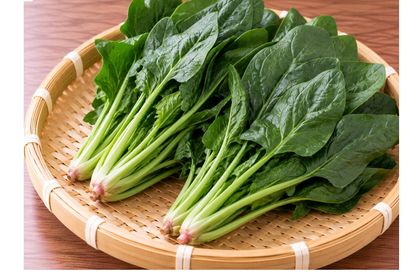 SpinachNov–Feb