2026-10-27
Shusse-uo — the fish that change their names
Some fish in Japan are called something different at each size. If you have heard two names at a market and wondered whether it was the same fish, it probably was.
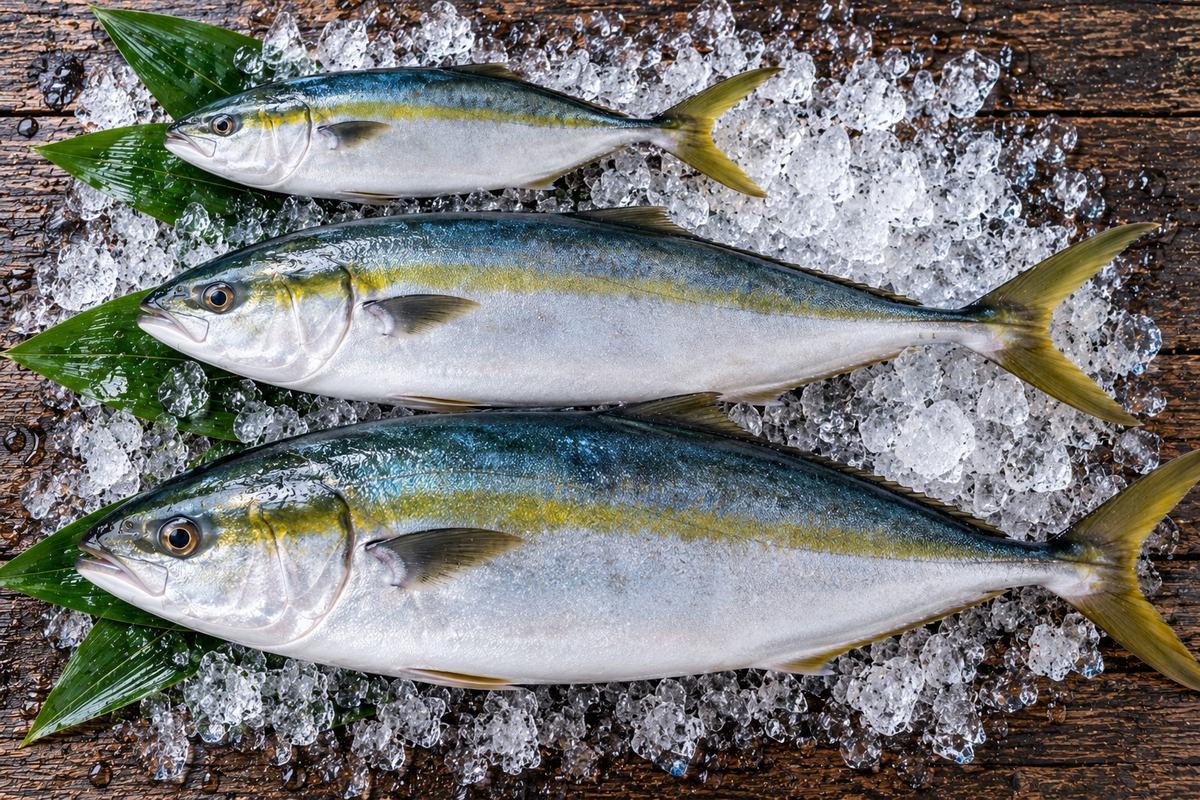
A handful of Japanese fish are given a new name as they grow. They are called shusse-uo — fish that rise through the ranks — and are served at celebrations for that reason.
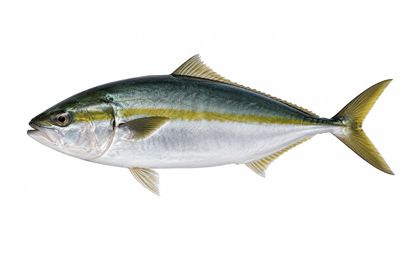
Buri (Japanese amberjack)
The best known. Around Tokyo it goes wakashi, inada, warasa, buri. Around Osaka it goes tsubasu, hamachi, mejiro, buri — the same fish, different names in different places. What is sold abroad as hamachi is usually a younger fish of this kind, or a farmed one.
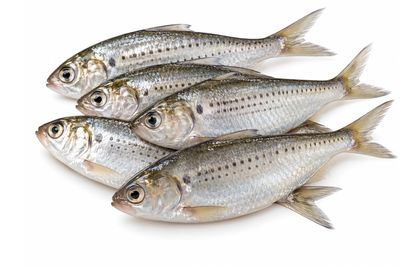
Kohada (gizzard shad)
Familiar from the sushi counter, and also a shusse-uo: shinko, kohada, nakazumi, konoshiro. The curious part is that the smallest, shinko, fetches the highest price. In early summer a fish weighing a few grams can be worth more by the kilo than a large one.
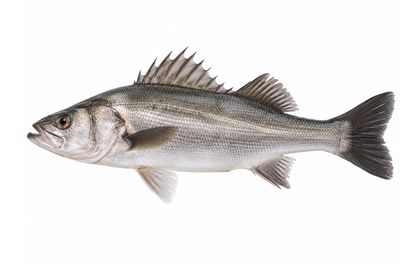
Suzuki (Japanese sea bass)
Koppa, seigo, fukko, suzuki. A white-fleshed summer fish; the flavour settles as it grows, and larger ones suit arai and salt-grilling.
Why bother with separate names
Because the flesh really is a different thing at each size. A young amberjack is lean and mild; a full-grown one is rich with fat. For anyone handling them, calling them separate fish is simply quicker.