2026-10-30
When does snow crab season open in Japan? 6 November (Friday) in 2026
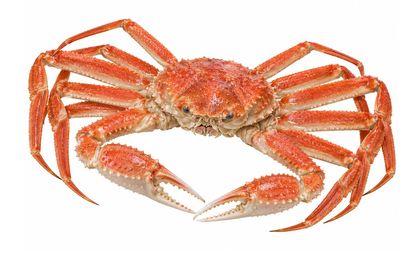
Japan's snow crab (zuwaigani) season opens on 6 November every year, a Friday in 2026. On the Sea of Japan coast from Toyama westward, males may be landed until 20 March, females only until the end of December.
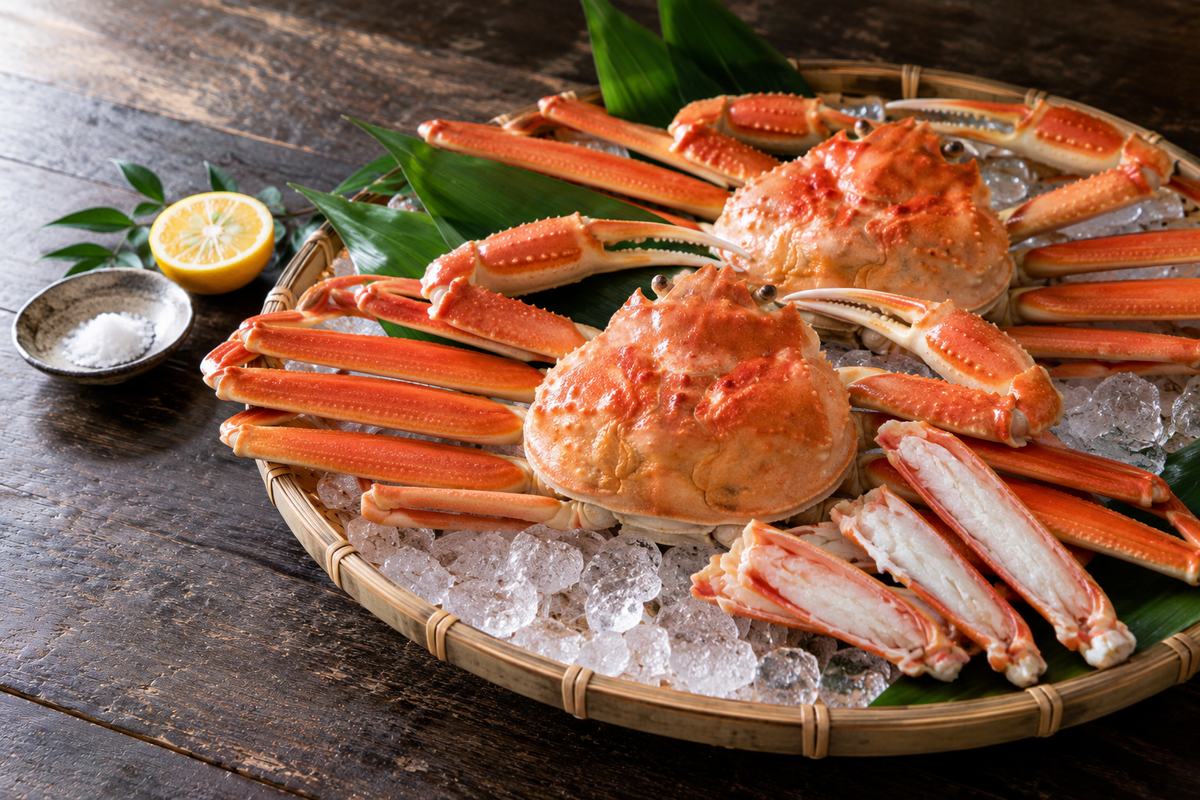
At midnight on 6 November, trawlers from Hyogo, Kyoto, Fukui and the neighbouring prefectures gather over the crab grounds and put their nets in at the same moment. The first auctions are held at the ports that same day, and in Japan the news is treated as the start of winter. This guide covers the rules, the regional names, how the season changes month by month, how to choose a good crab and how to eat it.
When does the season open? Always 6 November
In Japan the crab season is set by the national government to protect the stock. On the Sea of Japan coast from Toyama Prefecture westward, the opening day is fixed at 6 November, whatever the day of the week, so the date holds from year to year.
- Males: 6 November to 20 March the following year
- Females: 6 November to the end of December (the legal limit is 20 January, but fishermen have agreed to stop earlier; the exact day is 29 to 31 December depending on the prefecture)
- Freshly moulted males (mizugani): a short window, mostly in February, set by each prefecture
There are size rules as well. Males with a shell narrower than 9 cm must be returned, and so must any female that is not carrying eggs. Some prefectures set stricter limits of their own.
Further north, from Niigata up the coast and around Hokkaido, the rules differ, and crabs are landed from October in Akita and Yamagata. When Japanese news reports talk about the season opening, they mean 6 November in the western waters.
One crab, many names: Matsuba-gani, Echizen-gani, Kano-gani
The same species goes by a different name depending on where it is landed.
- Matsuba-gani: males from Tottori, Hyogo, Kyoto and the San'in coast
- Echizen-gani: males from Fukui
- Kano-gani: males from Ishikawa
- Seko-gani, Seiko-gani, Kobako-gani, Oya-gani: all names for the female, varying by region
Crabs sold under a regional name carry a plastic tag on one leg showing the port or co-operative. The tag is a guarantee of origin and grade, and tagged crabs fetch noticeably more. Tottori and Hyogo land the most, followed by Hokkaido, Fukui, Ishikawa and Niigata, though the order changes from year to year.
Female crabs: November and December only
Females are far smaller than males, roughly the size of a palm. What they lack in meat they make up for inside: orange roe (the ovaries) and rich brown miso under the shell, and clusters of small external eggs tucked under the belly. One crab gives several different tastes.
To protect the stock they are caught for only about two months, from 6 November to the end of December, and almost disappear from shops after New Year. In Hokuriku they even go into oden, and dishes where the meat and eggs are packed back into the shell are made only at this time of year.
When is the best time to eat it?
The price and the quality shift through the season.
- Early November: the first crabs of the year. Opening auctions are celebratory, and a large crab can sell for hundreds of thousands of yen
- December: demand for gifts and New Year keeps prices high. The female season ends this month
- January to February: demand eases and prices tend to fall. The cold keeps the meat firm, and the balance of quality and price is at its best
- Around February: soft-shelled mizugani appear. The meat comes away easily and the price is low, but it is watery
- 20 March: the male season closes
The peak runs from the opening to around February. That is why our calendar marks November to March for this crab.
How to choose a crab with full meat
- It should feel heavy for its size. A light crab is thin inside
- The shell should not give when pressed. A hard shell means it moulted long ago and has had time to fill out
- Small black dots on the shell are a good sign. They are the eggs of a marine leech that settle on crabs long after moulting, so they show the crab is well filled, not dirty
- For boiled crab, check the underside. No water seeping out, and a bright colour
- All legs present. A crab with missing legs sells for less, which makes it good value for eating at home
If you buy live crab, choose one that moves its legs strongly.
How to eat and keep it
Most snow crab is simply boiled in salted water about as salty as the sea, shell side down, for 15 to 20 minutes depending on size. Live crab can also be eaten raw as sashimi, swished through hot broth as shabu-shabu, or grilled. In Japan, warm sake poured into the shell with the meat and miso (kora-zake) and rice porridge made from the hotpot broth (zosui) are favourite winter treats.
Boiled crab keeps for two to three days in the fridge. To freeze it, wrap it in its shell in cling film, and thaw it slowly in the fridge from the day before. Thawing it quickly makes the meat watery.
Notes from the export side
From the opening to the end of the year, demand in Japan is strong and prices are high, so little goes overseas. What restaurants abroad mostly receive is crab boiled at the port and frozen straight away, or leg meat taken out of the shell. Live crab can be air-freighted, but the cost of transport makes it expensive. For use overseas, the practical choice is to secure boiled frozen crab once prices settle after New Year.