2026-10-30
What goes in a Japanese hotpot? Choosing nabe by the season's fish and vegetables
Japanese hotpot (nabe) is at its best from November to February, when napa cabbage and leeks turn sweet and cod, oysters, yellowtail, monkfish and pufferfish are at their peak. Here is what to eat month by month, and the regional hotpots worth knowing.
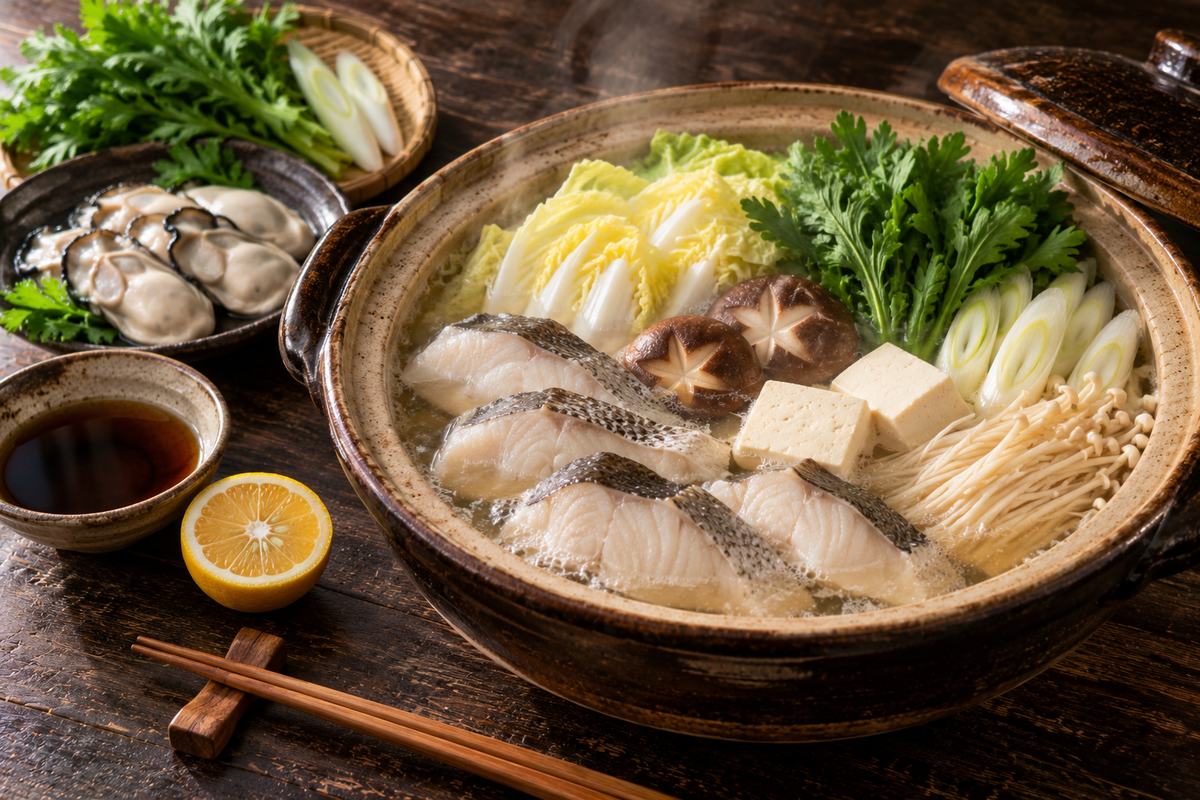
Nabe is a one-pot dish cooked at the table, usually in an earthenware pot. Fish or meat and vegetables simmer in a light broth, and everyone helps themselves. In Japan it is the food of winter. This is not a recipe page; it is a guide to what to put in the pot, and when.
When is nabe season? November to February
There is a good reason nabe is a winter dish. Vegetables such as napa cabbage, Japanese leeks and daikon build up sugar in the cold to protect themselves from freezing, so they get sweeter once the frosts begin. At the same time, cod, yellowtail and monkfish in the Sea of Japan and the northern seas fatten up before spawning. The months when vegetables and fish both peak, November to February, are when nabe tastes best.
Types of nabe: chiri, yose, shabu-shabu and miso
Japanese hotpots fall into a few broad types, depending on the broth and how you eat them. The type decides which fish suits it best.
- Chiri-nabe: white fish simmered in kelp stock and dipped in ponzu. It lets mild fish such as cod and pufferfish speak for themselves
- Yose-nabe: a broth seasoned with soy sauce and mirin, with a mix of seafood, meat and vegetables. The most common hotpot at home
- Shabu-shabu: thin slices swished through the broth a few times. Best for fatty fish fresh enough to eat raw, such as yellowtail
- Miso-based: everything simmered in miso. Suits strongly flavoured ingredients such as salmon and oysters, and warms you through
As a rule of thumb, the fattier the fish, the better it suits shabu-shabu or miso; the milder the fish, the better it suits chiri.
The best hotpot for each month
- November: kani-suki, a crab hotpot (snow crab season opens on 6 November), and oyster hotpot. Oysters grow plumper as the water cools
- December: buri-shabu. Thin slices of fatty winter yellowtail swished through hot broth. Cod hotpot is also at its best
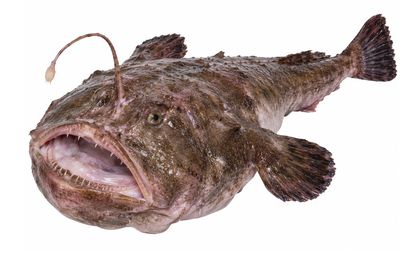
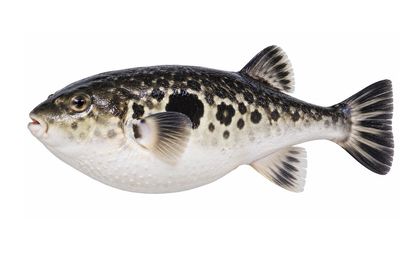
- January: monkfish hotpot, when the liver is largest and richest. Pufferfish hotpot (tecchiri) is at its peak too
- February: the last of the pufferfish, and soft cod milt. Towards spring, seri hotpot made with Japanese parsley, roots and all, comes into its own
The same fish tastes different early and late in its season. Check each item's page on our calendar to see when it peaks.
Regional hotpots: the local catch takes centre stage
Around Japan, many regions have a hotpot built around the fish landed nearby.
- Ishikari-nabe (Hokkaido): autumn salmon with cabbage and onion in a miso broth. Some families add butter at the end
- Shottsuru-nabe (Akita): sandfish (hatahata) simmered in a fish sauce made from the same fish. Best in December
- Anko-nabe (Ibaraki): monkfish hotpot; the famous version melts the liver into the pot first
- Buri-shabu (Toyama and Ishikawa): the way the winter yellowtail ports eat their catch
- Tecchiri (Osaka and Yamaguchi): pufferfish and vegetables simmered in kelp stock and eaten with ponzu
- Dote-nabe (Hiroshima): miso is spread round the rim of the pot like a riverbank and dissolves as the oysters cook
Seasonal vegetables for the pot
- Napa cabbage: the backbone of most hotpots. It turns sweet in the cold and soaks up the broth
- Japanese leek (negi): sweetens as it cooks. Eastern Japan favours the long white kind, western Japan the green-leaved kind
- Shungiku (chrysanthemum greens): its aroma lifts the whole pot. Eat it as soon as it wilts
- Mizuna: a Kyoto green. Cook it only briefly so it keeps its crunch
- Seri (Japanese parsley): in season from winter to spring. In Miyagi it goes in with the roots
- Mushrooms, tofu and yuzu: shiitake, enoki and shimeji add flavour to the broth. A small piece of yuzu peel adds fragrance
How to choose the ingredients
For nabe, choose things that hold together when simmered and give flavour to the broth.
- Cod: shining silver skin and translucent flesh. For fillets, bright colour in the dark meat
- Oysters: in Japan, oysters are labelled either for eating raw or for cooking. The cooking grade is not less fresh; it simply comes from waters not designated for raw oysters, and is often larger and richer, ideal for hotpot
- Yellowtail: for shabu-shabu, thin slices from the fatty belly. Avoid fish whose dark meat has turned brown
- Napa cabbage: a whole head should feel heavy with tightly wrapped leaves. For a cut piece, the cut face should be flat, not domed
The finish: rice porridge and noodles
Part of the pleasure of nabe is the broth left at the end. Add rice and a beaten egg and it becomes zosui, a soft rice porridge; add udon and it becomes a noodle dish. Some say the porridge after a crab or pufferfish hotpot is better than the hotpot itself. The more seasonal the fish, the richer that final broth.
Serving nabe outside Japan
Hotpot is becoming popular in Japanese restaurants abroad, but sending every ingredient from Japan is not practical. Napa cabbage and daikon are heavy and bulky, and most restaurants buy them locally. What is worth shipping from Japan are things that are hard to find locally, such as shungiku, mizuna and yuzu, and seasonal fish. Buying yellowtail and cod in winter, when they are fattest, makes a clear difference to the pot. Pufferfish is regulated in many countries, so check the local rules before planning a menu around it.
Ingredients mentioned here
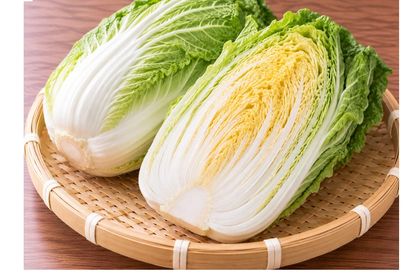 Napa cabbageNov–Feb
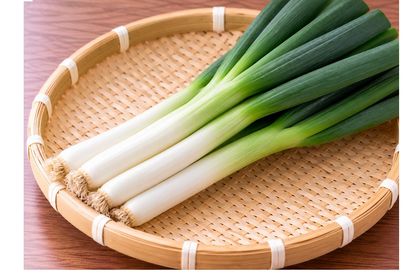 Naganegi leekNov–Feb
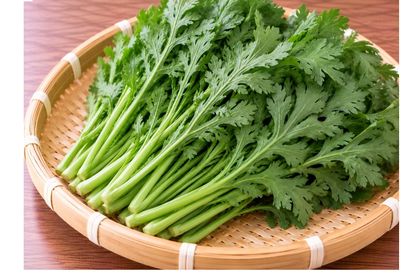 ShungikuNov–Feb
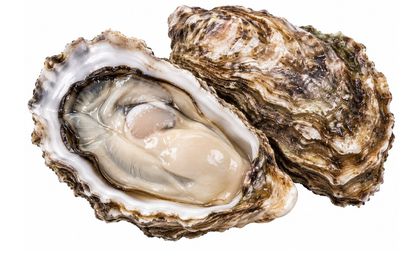 Pacific oysterNov–Feb
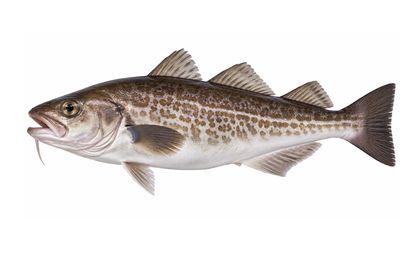 Pacific codDec–Feb
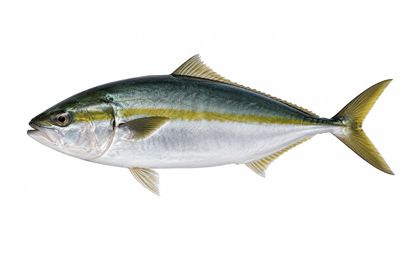 Japanese amberjackDec–Feb
 MonkfishDec–Feb
 Tiger pufferfishNov–Feb