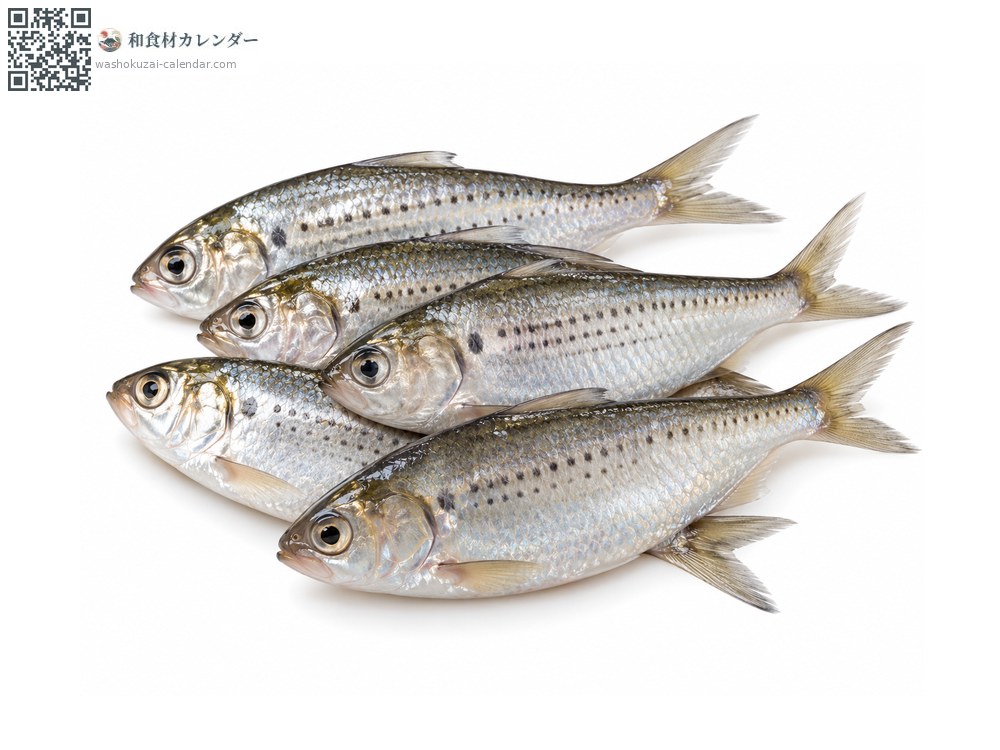
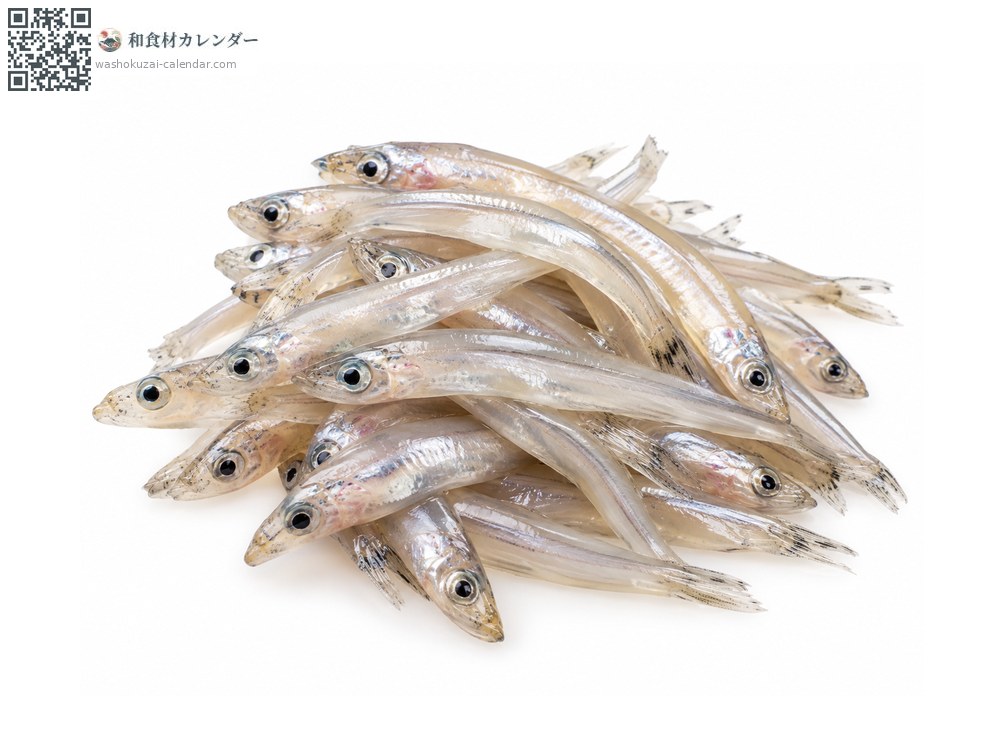
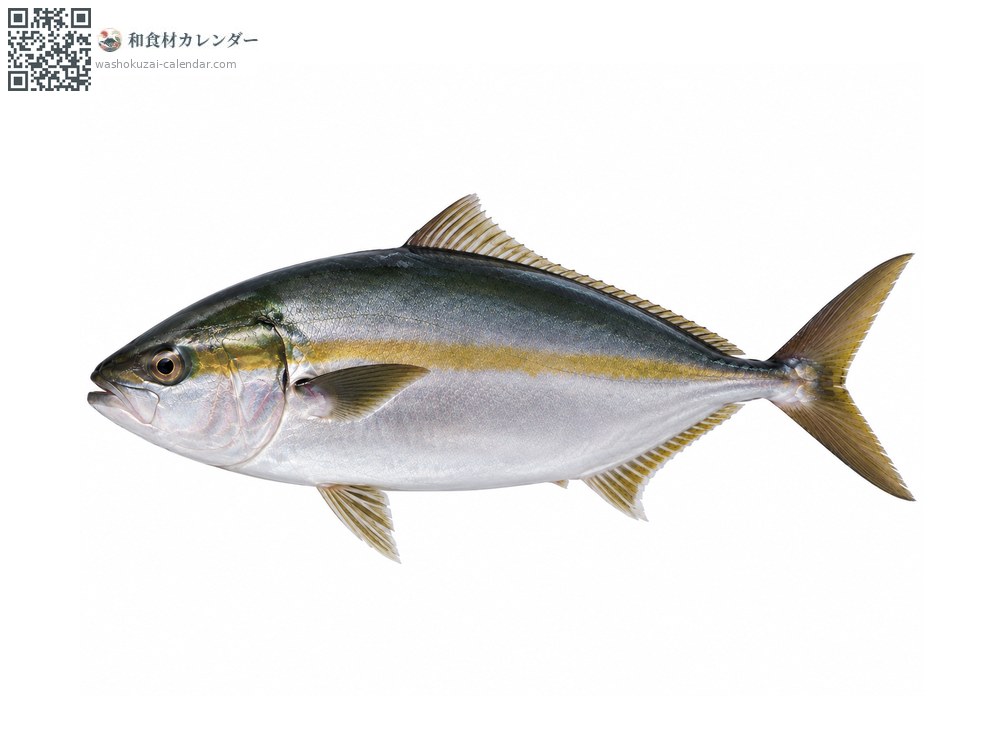
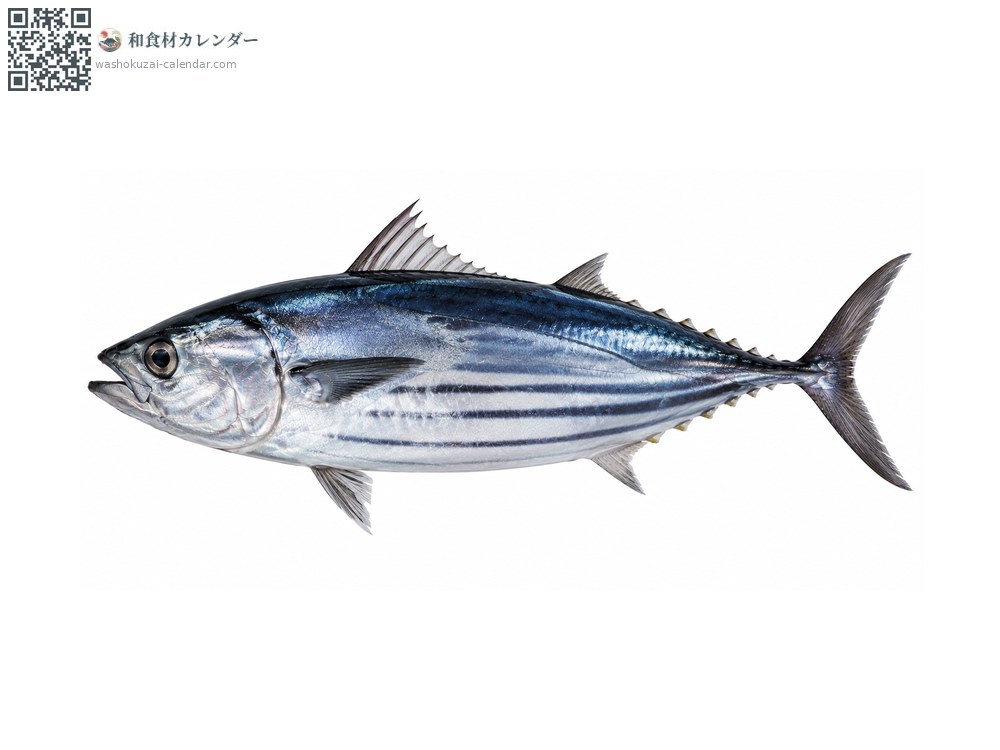
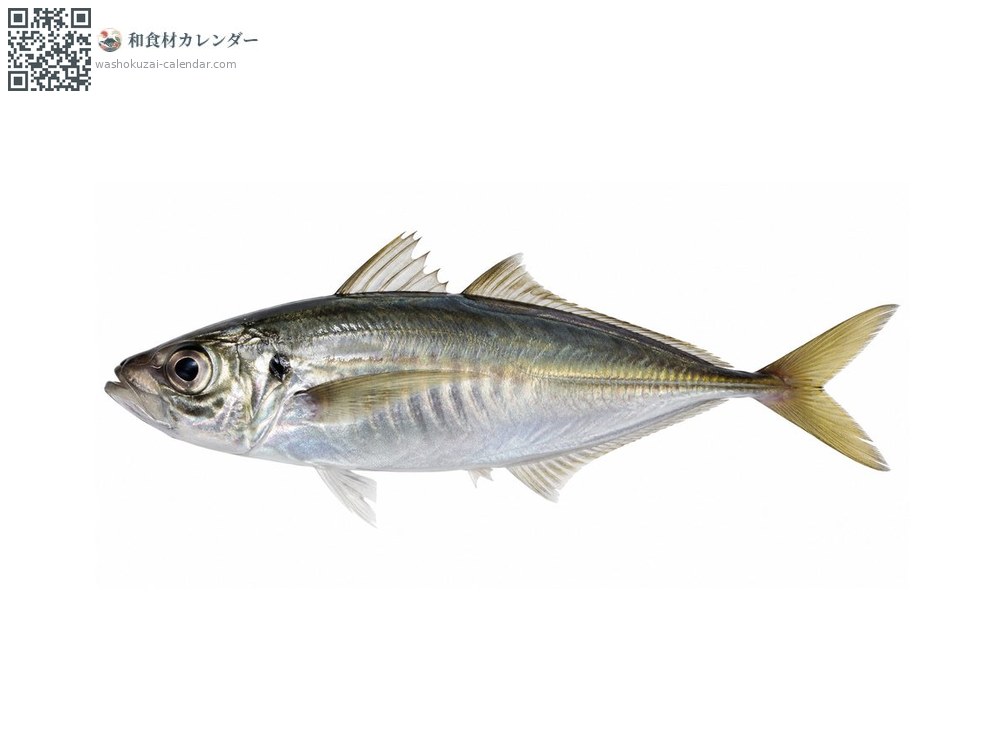
Japanese horse mackerel
マアジ まあじ maaji
Also known asmaaji, aji
At its best in May, Jun, Jul
When it is at its best
In seasonAvailable
How to cook
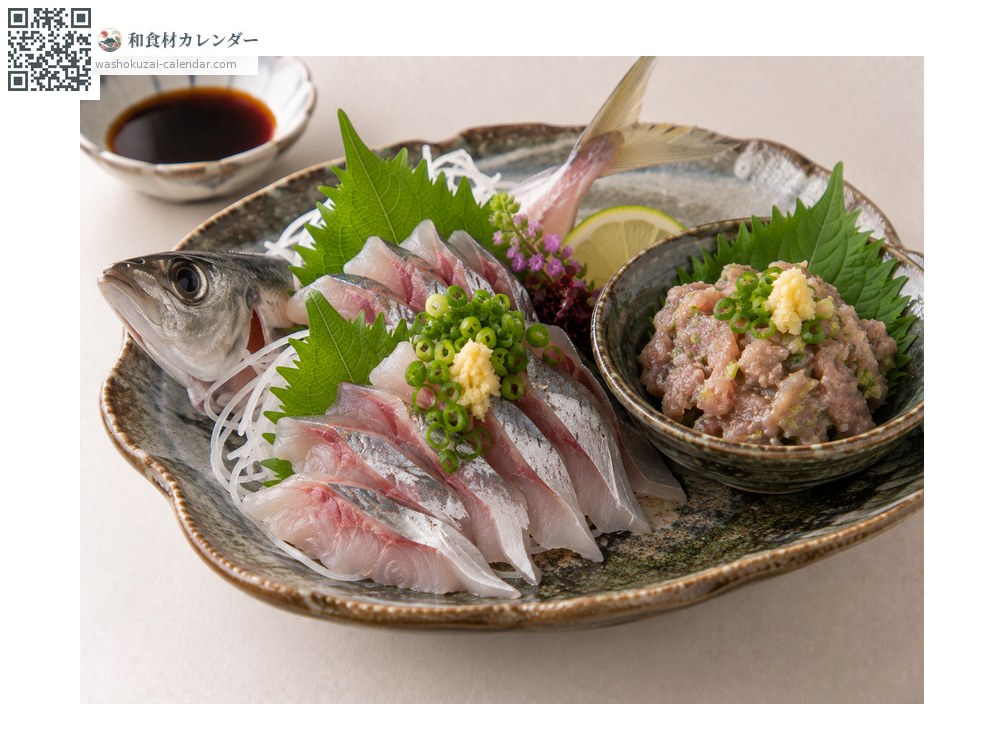
Sashimi and namero (chopped with miso)
Best raw when very fresh. Namero is chopped with miso and herbs, a dish from the Boso coast.
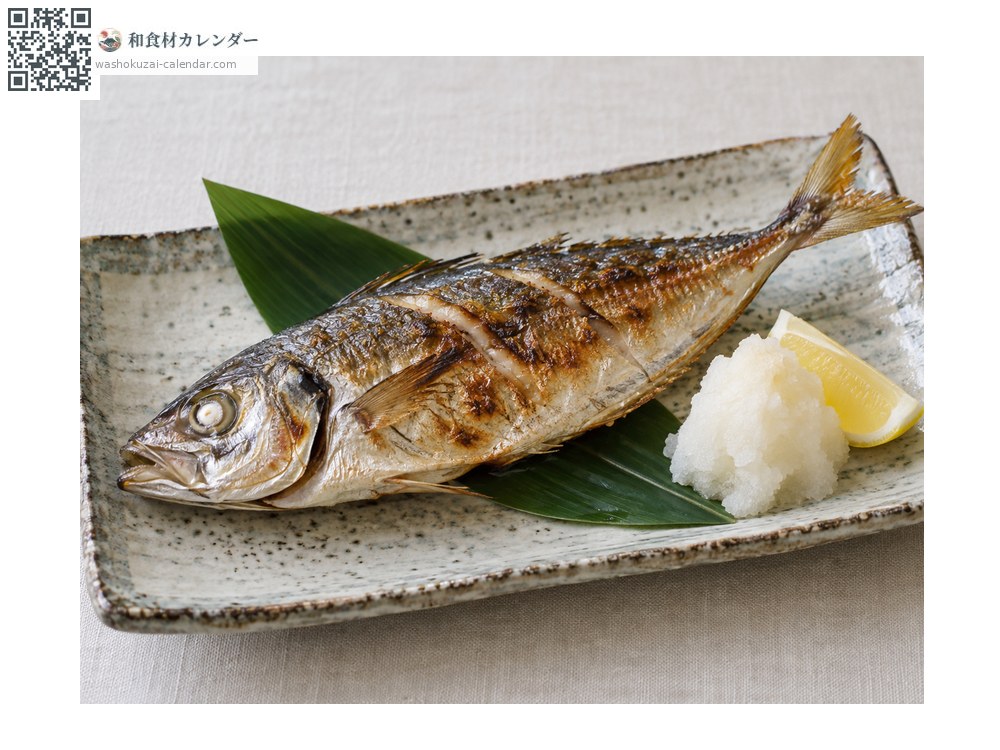
Shioyaki (salt-grilled)
Salt it, rest briefly, pat dry, then grill so the flesh firms up.
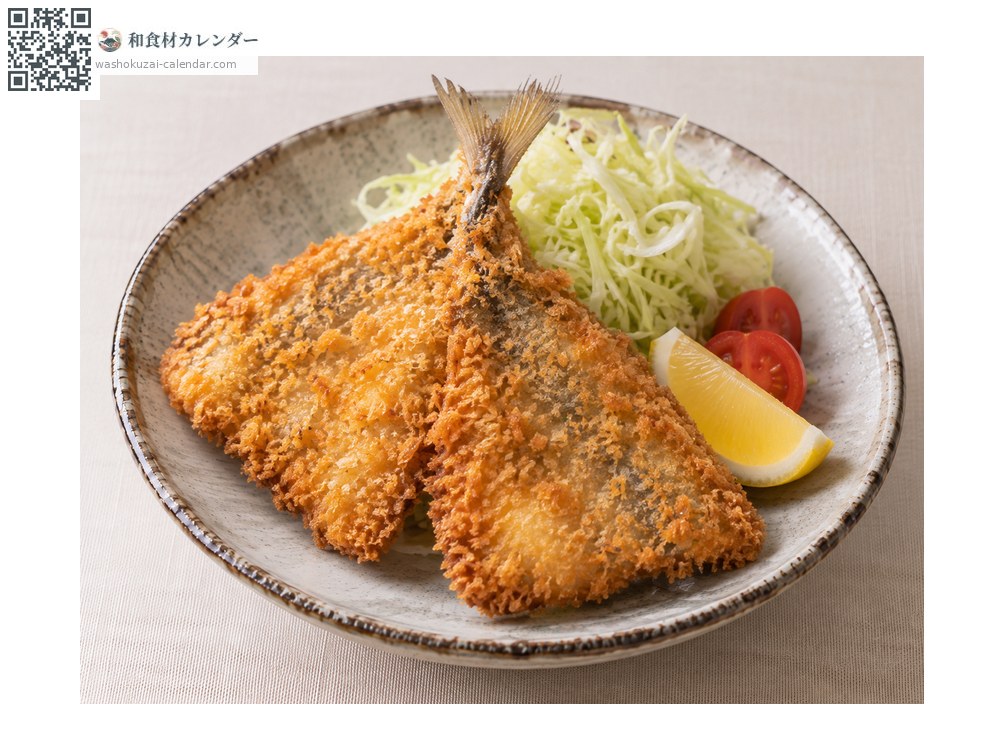
Fried and nanban-zuke (fried then marinated in vinegar)
Butterfly and deep-fry. Nanban-zuke keeps well and is good cold.
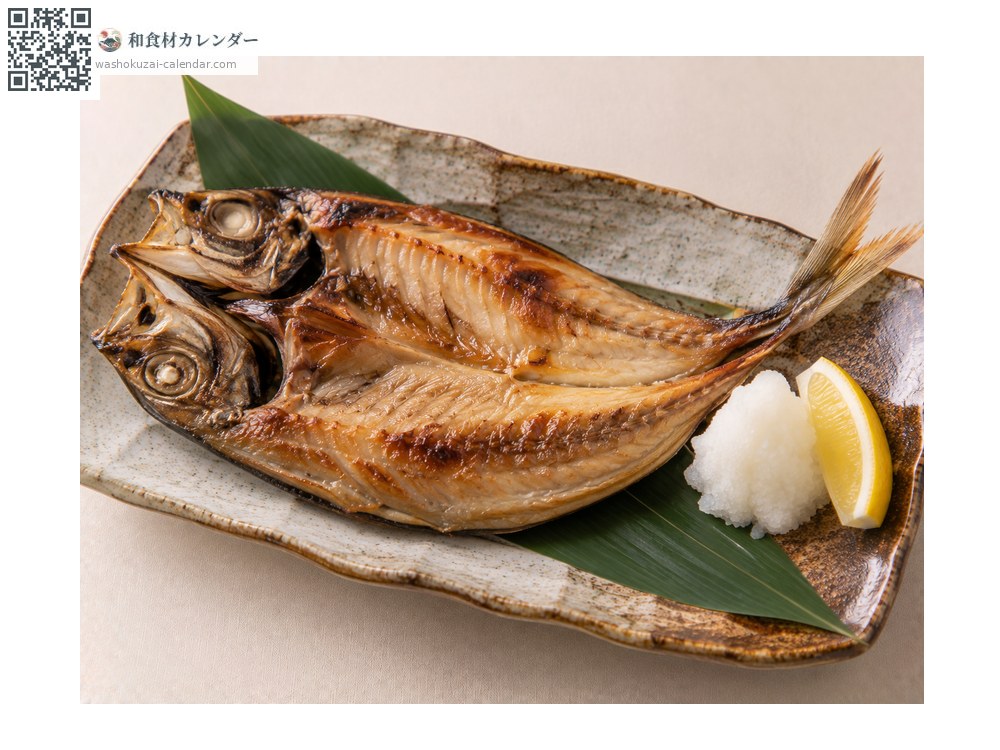
Himono (dried and grilled)
Split along the back, brine, then dry overnight to concentrate the flavour.
How to choose
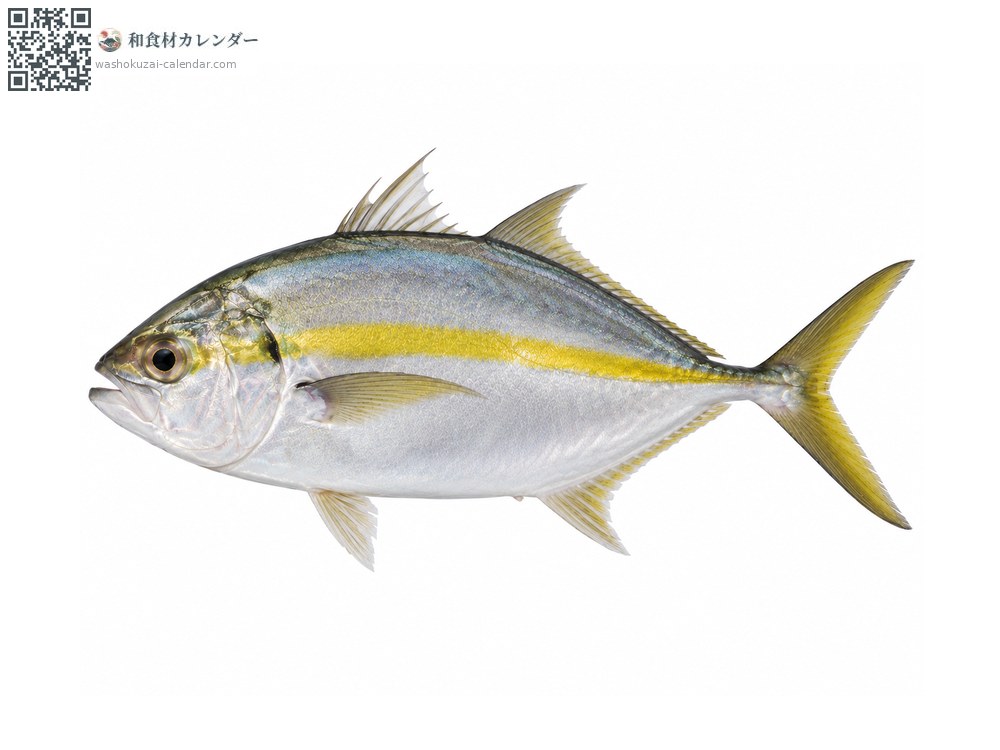
Look for clear, domed eyes and bright red gills. The body should feel firm, with well-formed scutes (the row of spiny scales near the tail).
Storage
Best eaten the day you buy it. To keep, remove gills and guts, pat dry, wrap and chill. From the next day on, cook rather than eat raw.
Main areas
Good to know
Available year-round, but richest just before spawning in early summer. Fish that stay in one bay rather than migrating are called sezuki-aji; they are yellower and prized.