Longtooth grouper
クエ くえ kue
Also known askue, ara
At its best in Jan, Feb, Nov, Dec
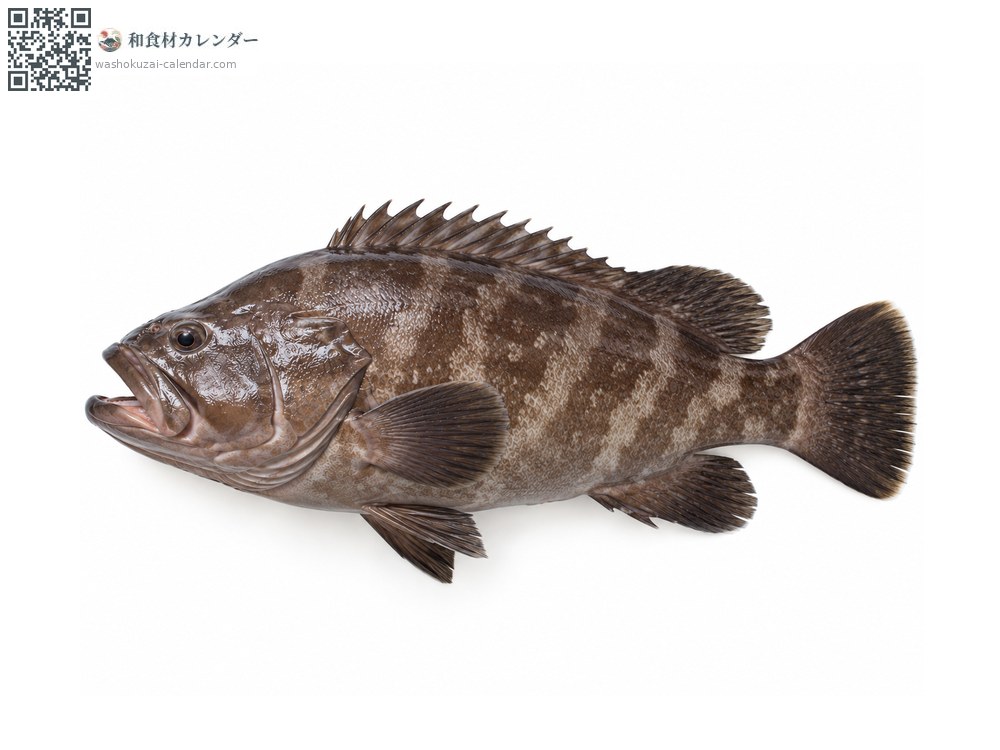
When it is at its best
In seasonAvailable
How to cook
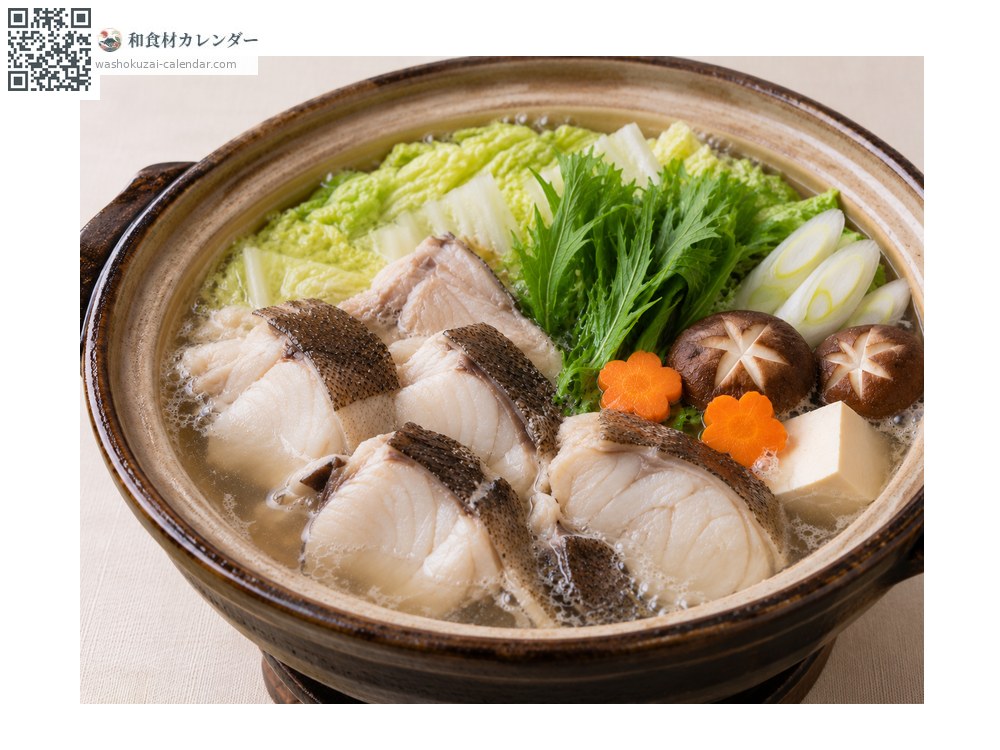
Kue nabe (hot pot)
The finest hot pot of winter. Steaks with head and bones, which give a deep broth.
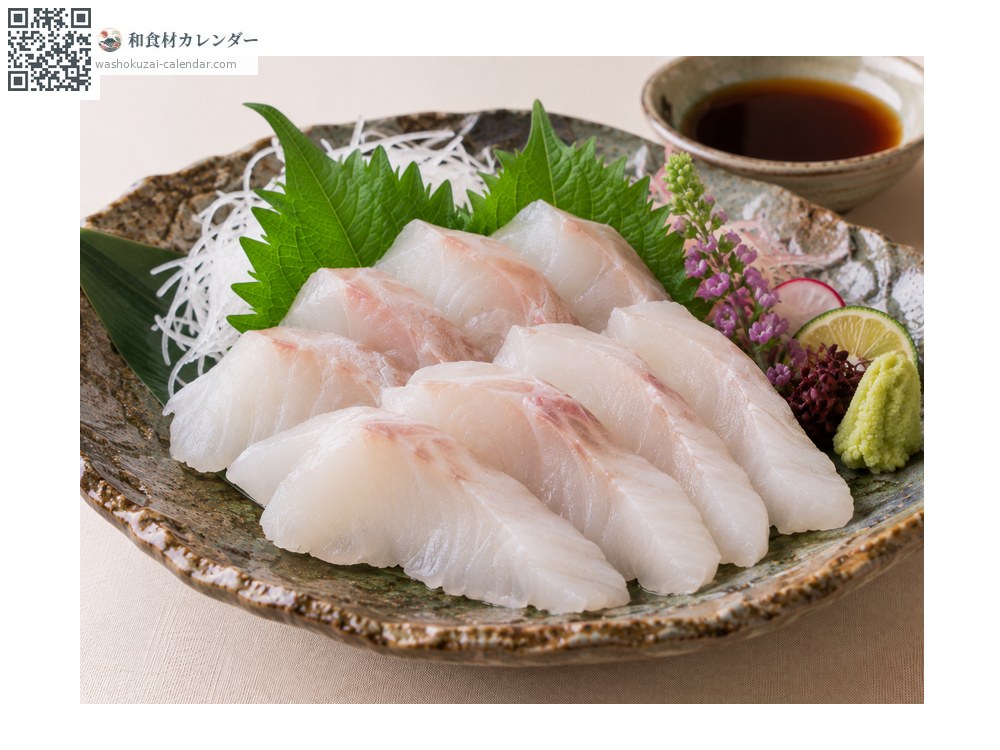
Sashimi
Steaks sliced thin. The flesh has a strong spring and a deep flavour.
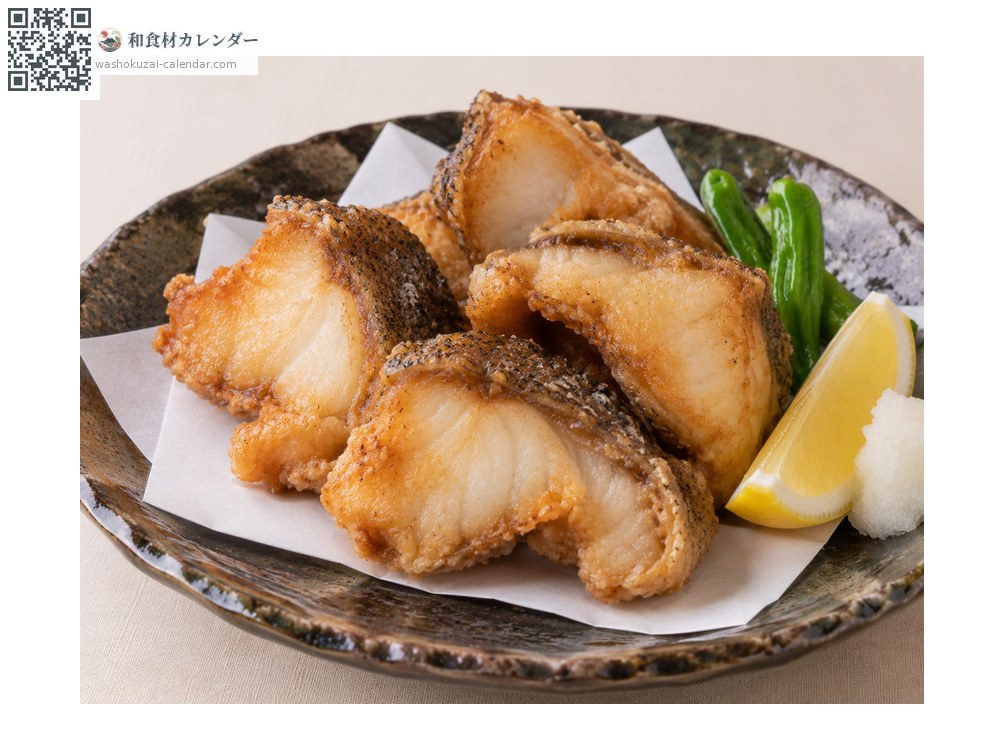
Karaage (deep-fried)
Steaks deep-fried; the gelatinous skin turns fragrant.
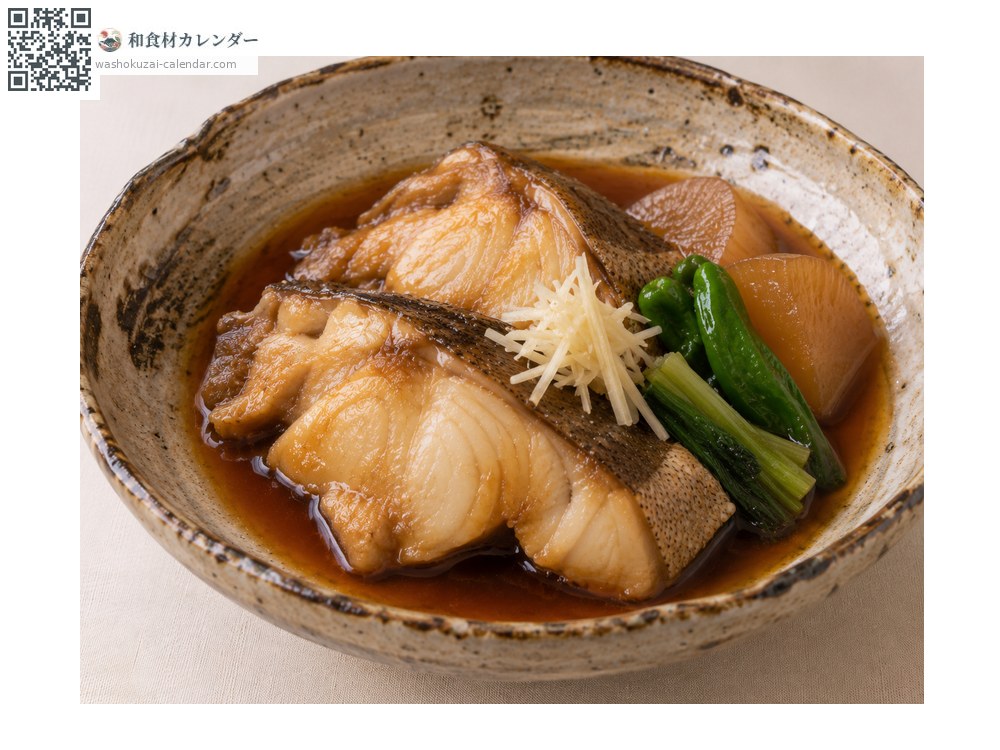
Nitsuke (simmered in sweet soy)
Steaks simmered in sweet soy. The flavour sits between skin and flesh.
How to choose
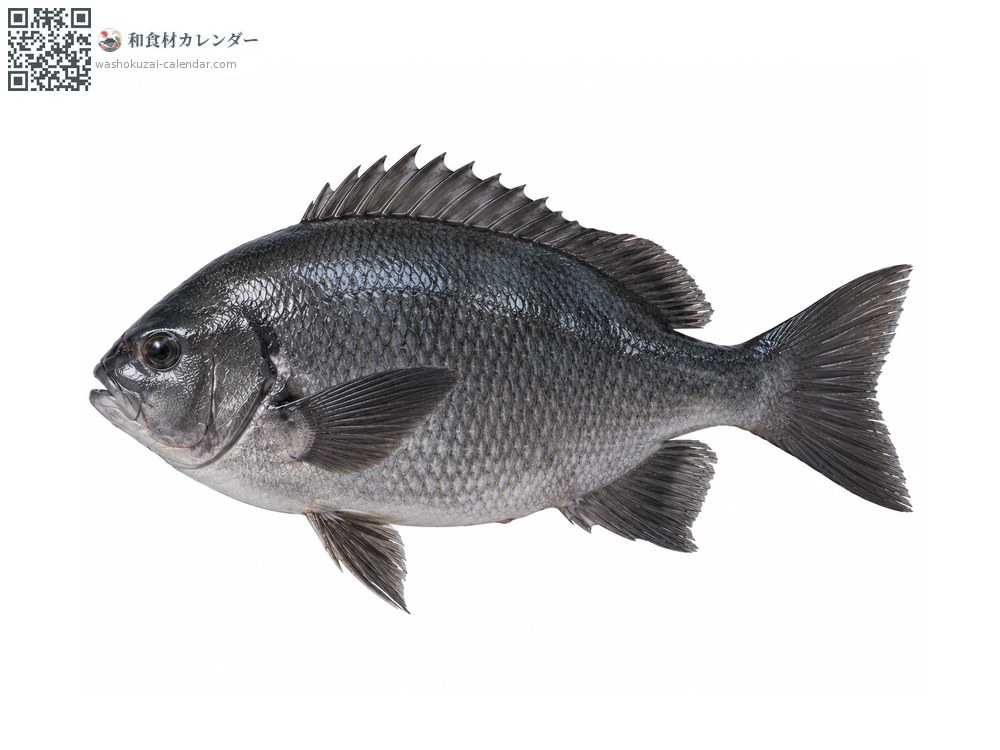
A deep body colour and a firm body. Larger fish carry more fat and more flavour.
Storage
The firm flesh keeps well. Store whole packed in ice and cut only what you need. Steaks within two to three days.
Main areas
Good to know
Called ara in Kyushu, though the fish whose formal name is ara is an entirely different species, so care is needed. Some exceed a metre, and kue nabe in winter is regarded as the finest of dishes. It grows slowly, and wild fish are scarce.