Tilefish
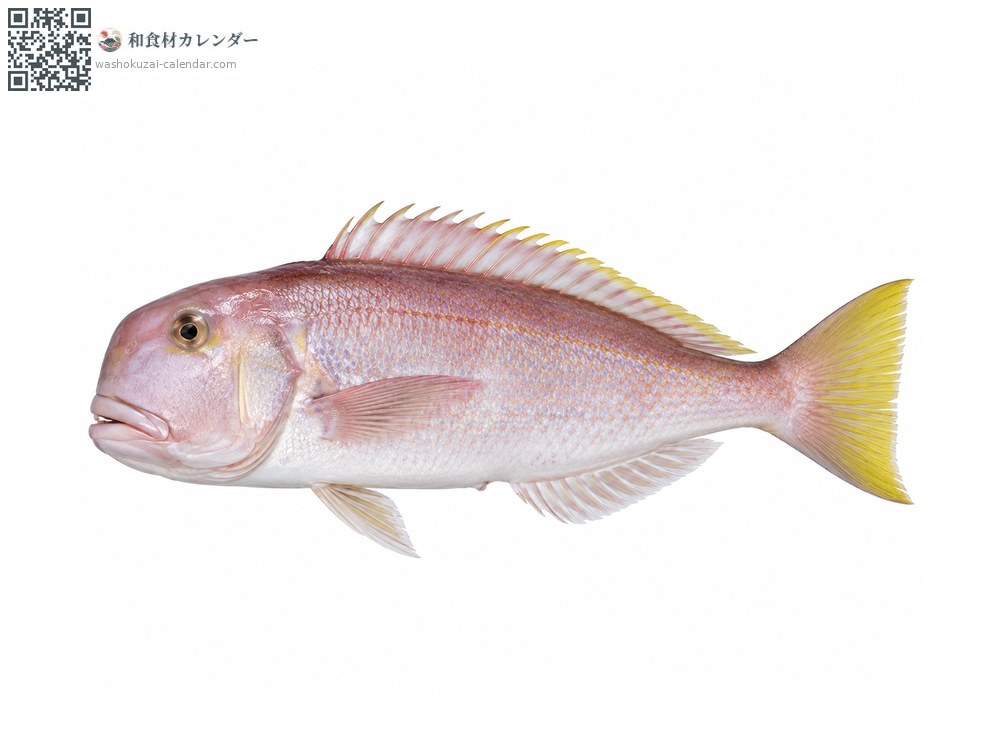
アマダイ あまだい amadai
Also known asamadai, guji
At its best in Jan, Feb, Nov, Dec
When it is at its best
In seasonAvailable
How to cook
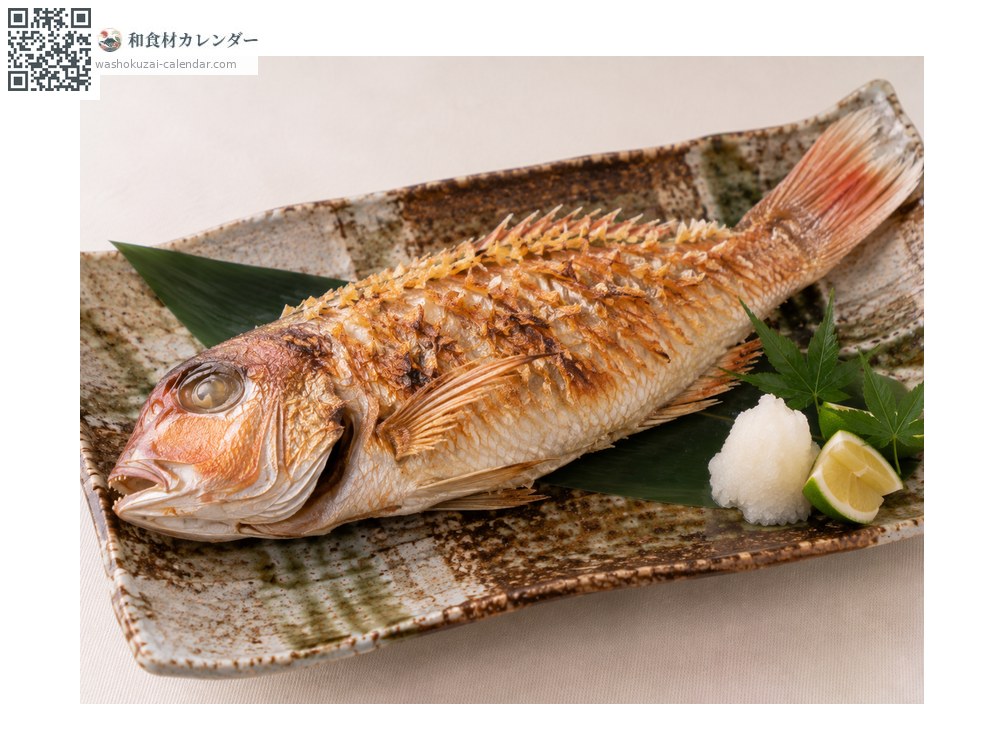
Wakasa-yaki (grilled with scales on)
Brushed with sake and grilled with the scales left on, so they stand up and crisp.
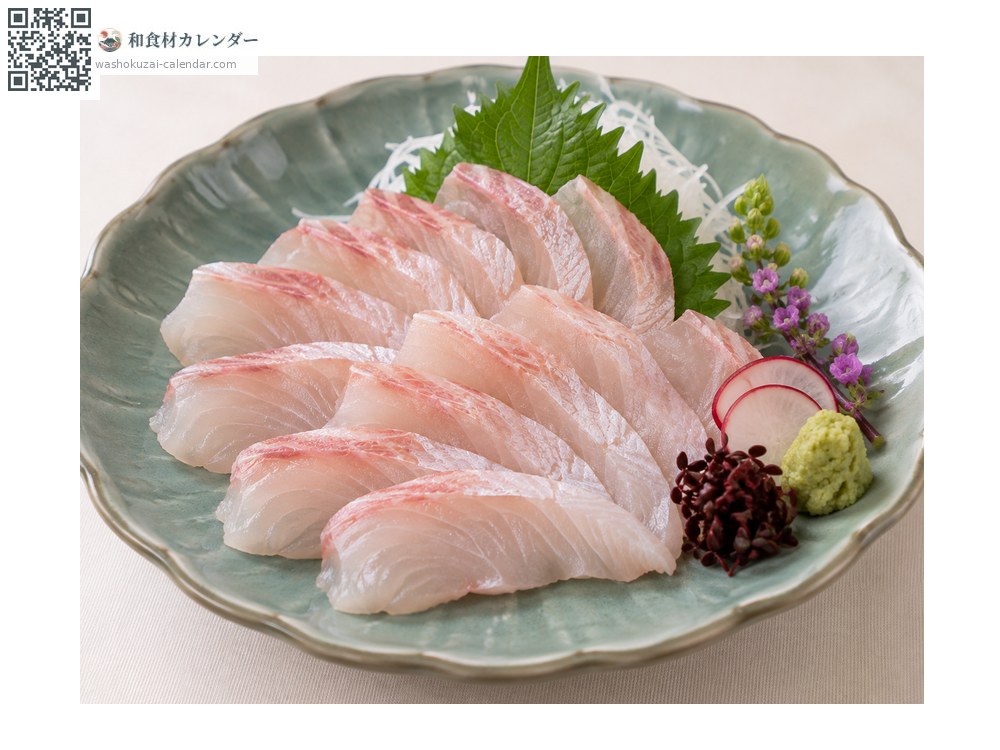
Sashimi
Refined and sweet. Curing with kelp deepens the flavour.
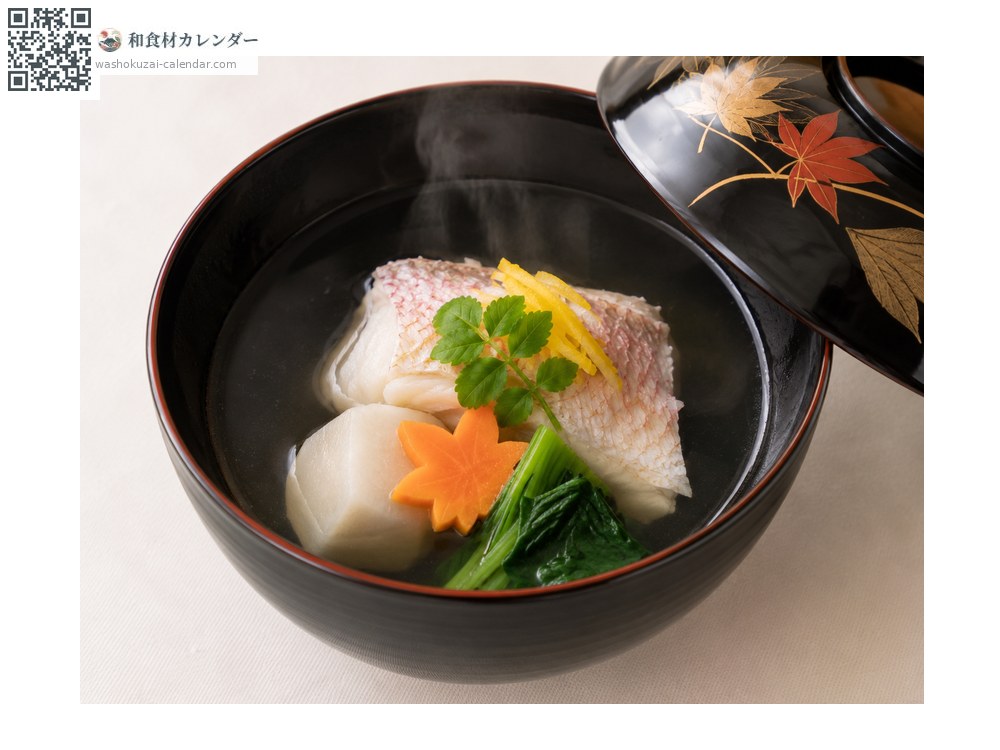
In clear soup
Delicate, refined flesh. In Kyoto cuisine it is the centrepiece of a clear soup.
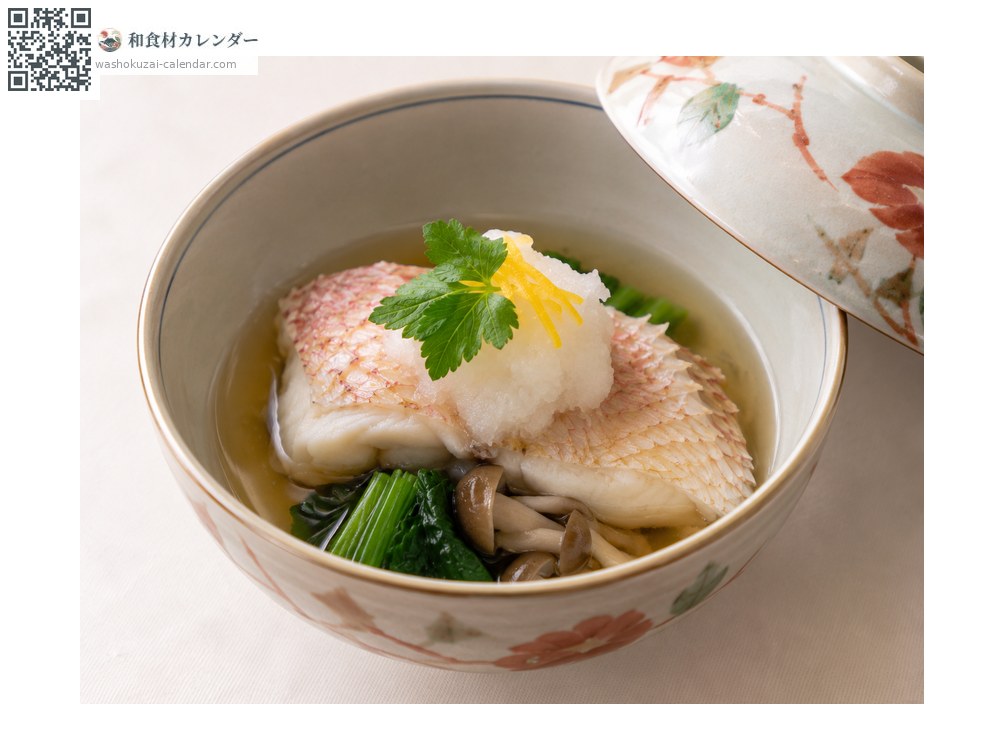
Steamed
Steamed with sake, or with grated turnip. The flesh turns light and fluffy.
How to choose
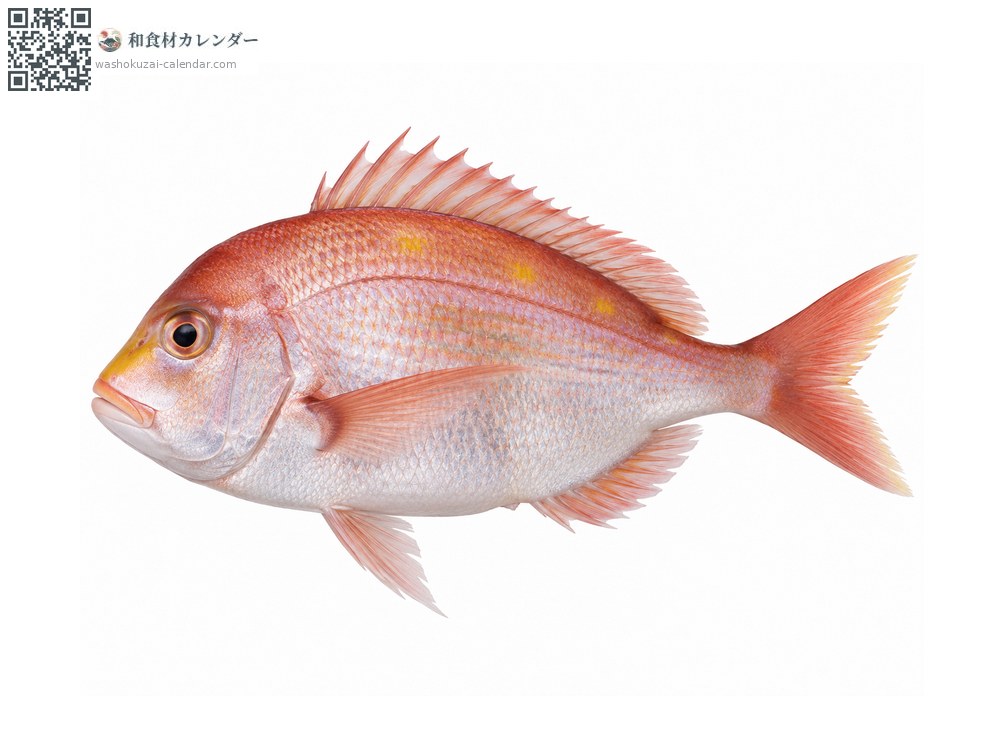
A pale pink body with clear eyes. A large, squared head and good thickness through the body.
Storage
The flesh is soft and watery. Gut it, salt it lightly and refrigerate to firm it up. Use within two days.
Main areas
Good to know
Three kinds exist: red, white and yellow tilefish. Almost all that reaches the market is the red. The white, called shiro-kuji, is caught in very small numbers and is considered the finest of all. Known as guji in Kyoto, where fish from Wakasa Bay are especially prized. Because they were lightly salted for the journey to Kyoto, the wakasa-yaki method was born.